The air-conditioned town square
Bangkok has 8.2 million square metres of retail supply. That is the only public space in a city where outdoors is too hot, too polluted or underwater.
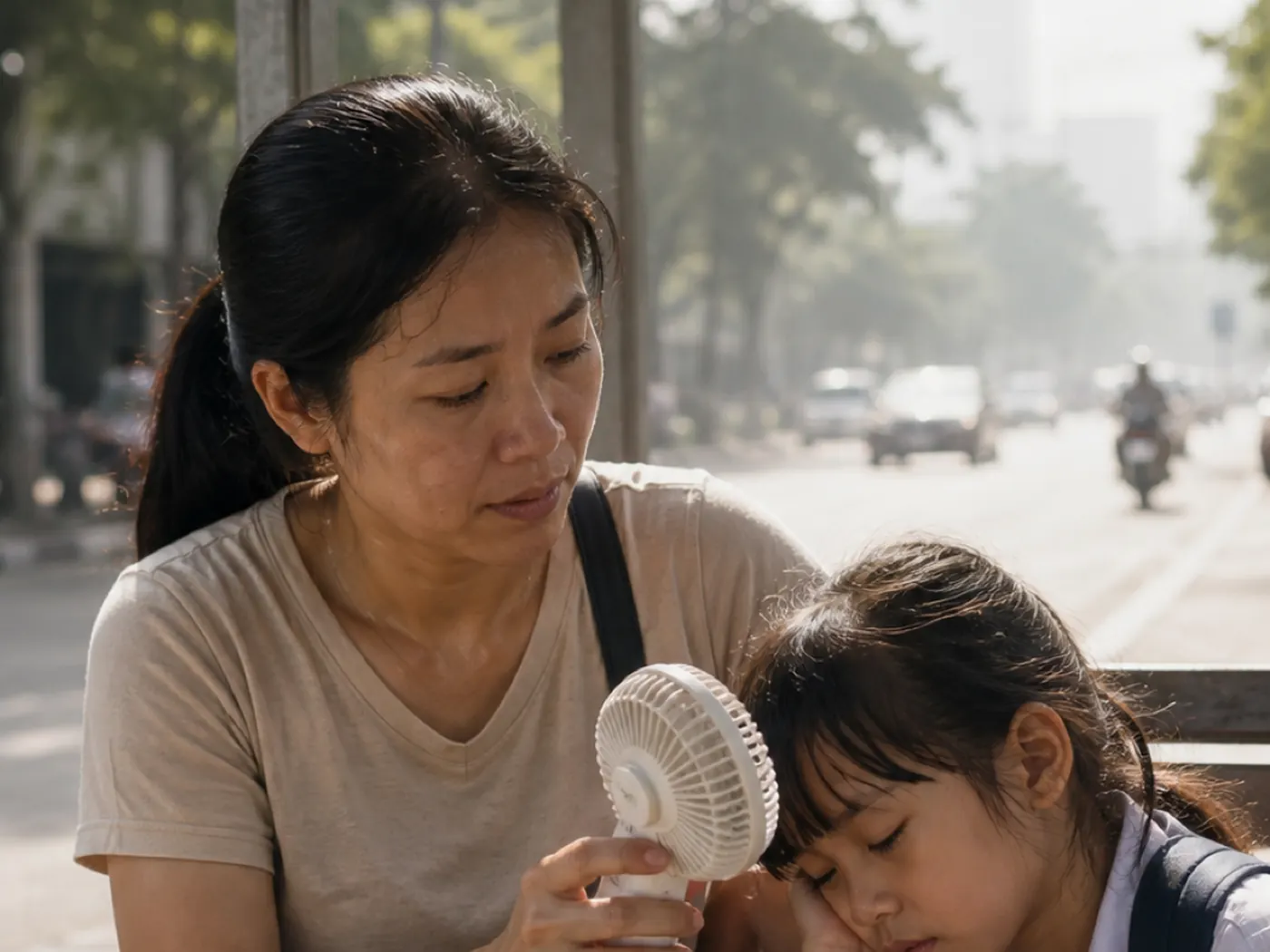
Greater Bangkok carries about 8.2 million square metres of accumulated retail supply.
Central World alone runs to over 830,000 square metres. The Mall Group’s Bangkok Mall project covers a site of more than 1.2 million. One Bangkok in Sathorn adds another 190,000 of retail.
The visitor’s conclusion is that Thais must love shopping.
The actual explanation is climate, and after that it’s land.
What outdoors is like here
Consider the Bangkok year, using this site’s own reporting.
December to April: article 17 Bangkok’s air: which months are actually bad, and why established that air quality deteriorates sharply, with PM2.5 reaching 79–108 µg/m³ in January 2026 against a national threshold of 37.5. Outdoor exercise is inadvisable on the worst days.
Roughly May to October: the rainy season, and article 07 Why Bangkok floods — and why it’s mostly not the rain explained why the water doesn’t leave — a river basin falling 1.5 metres per 100 kilometres, a city partly below sea level, and a drainage network that was filled in for roads.
And throughout: heat, at a level that makes an hour outdoors in the afternoon a physical undertaking rather than a leisure activity.
For a substantial share of the year, Bangkok’s outdoor public space is too hot, too polluted, or underwater.
Now ask where a family with a free Saturday is supposed to go.
The mall as public infrastructure
That’s what the retail supply figure is actually measuring.
A Bangkok mall is not primarily a place where people buy things. It’s air-conditioned, free to enter, safe, open long hours, reachable by rail, and the only reliable public space in the city.
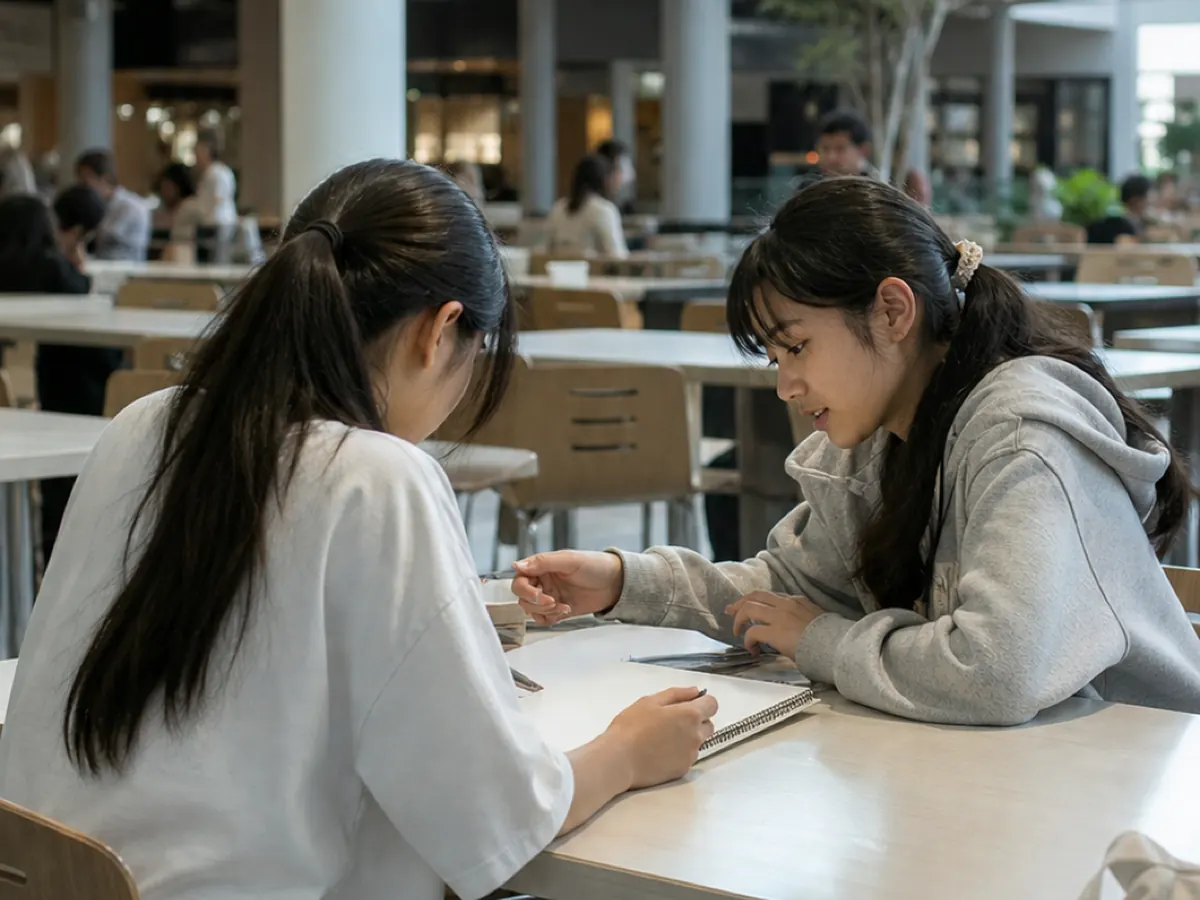
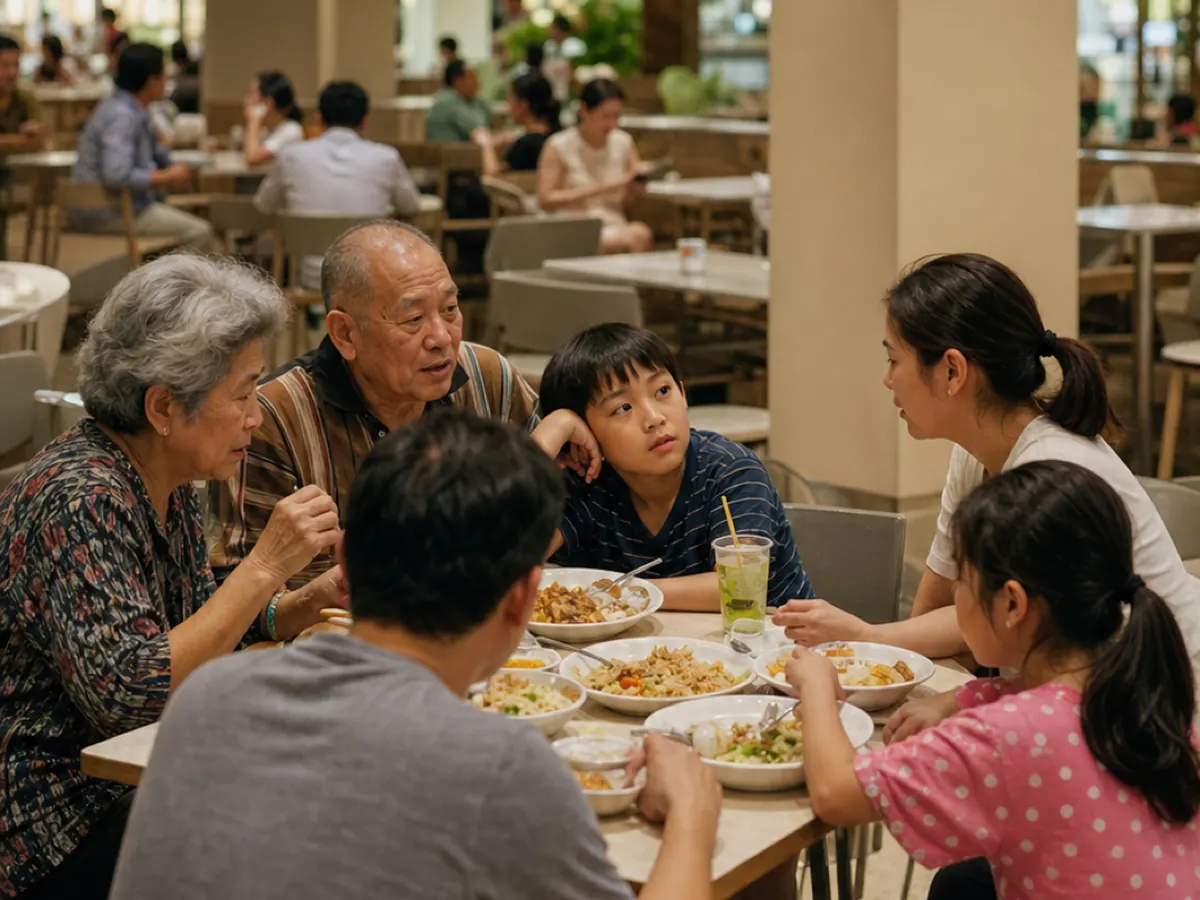
Which is why the behaviour looks strange to visitors and is entirely rational. People go without buying anything. Teenagers do homework there. Older people walk laps in the morning. Families eat, sit, and stay for hours. Whole afternoons pass in a food court because a food court is a cool room with chairs and no obligation.
In a European city that’s what a park is for. Here the park is unusable four months of the year and underwater for several more.
The mall isn’t competing with the high street. It’s substituting for the town square.
And the town square is privately owned
Here’s the part that belongs on this site rather than in a travel guide.
If the mall is Bangkok’s public space, then Bangkok’s public space is private property.
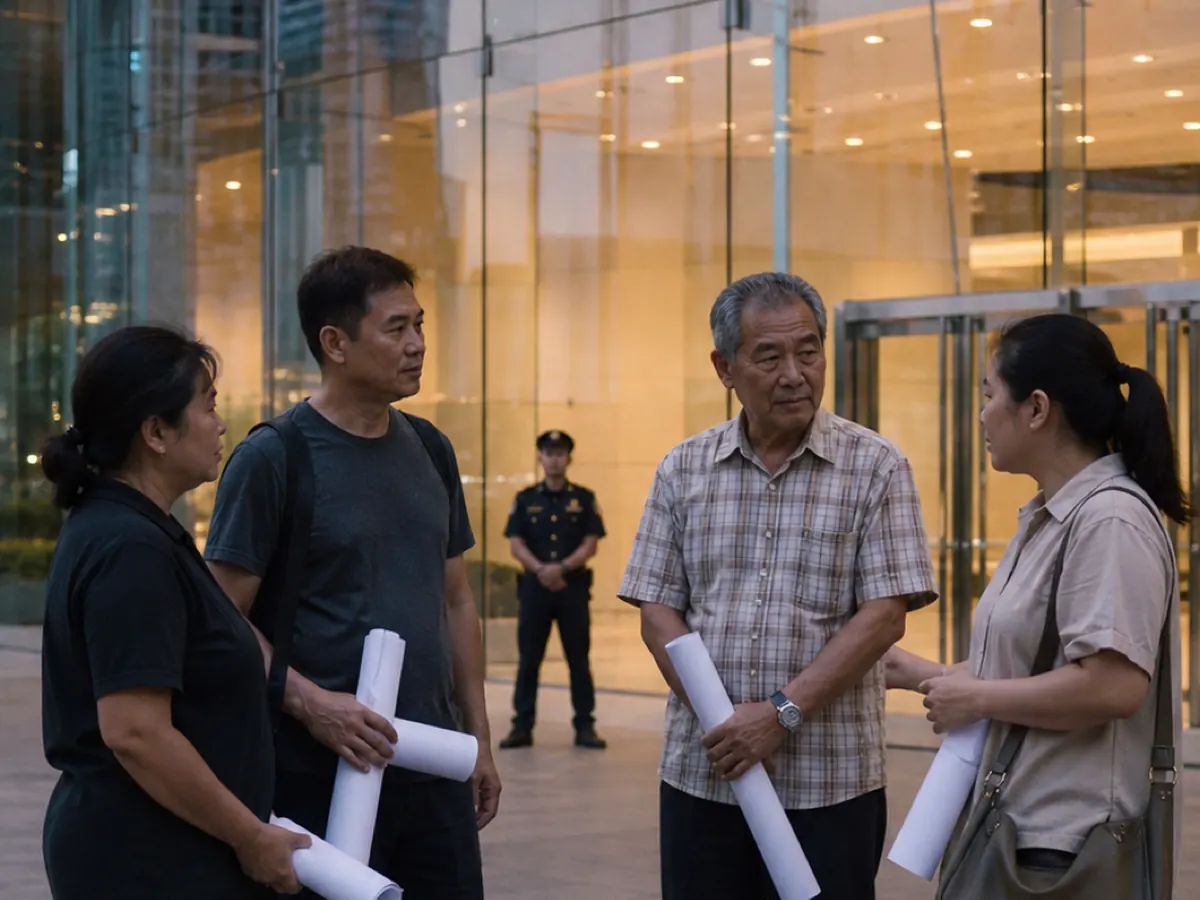
It has security guards, opening hours, dress expectations, and an implicit understanding that you are a customer. Nobody is thrown out for sitting (the operators know exactly what the space is for and generally accommodate it) but the permission is commercial, not civic. It can be withdrawn. It isn’t a right.
The test is simple enough: try holding a public meeting in one.
And this is the third time this site has found the same pattern.
Article 19 Thailand has more than 16,000 7-Elevens. That’s not a fun fact, it’s infrastructure. — 7-Eleven. Bill payments, government fines, parcels, cash access: a private retail network performing what are functionally public services, at a density that only makes sense as utility coverage.
Article 31 Where the ฿50 plate actually comes from, the wholesale markets. Two facilities under common ownership, 20km apart, through which a metropolitan area of ten million is fed.
And now the malls. The public square, owned by listed property companies.
Thailand’s public infrastructure is substantially privately owned, and it works — that’s the important part. It’s efficient, well-maintained, open long hours and pleasant to use. But it means the country’s civic spaces answer to shareholders, and there is no obvious mechanism for anyone to argue about how they’re run.
The supply problem
One more thing, and it connects to article 43 Empty by the hundred thousand.
8.2 million square metres of retail supply, in a country whose economy grows at 1.8–1.9%, with household debt at 85.9% of GDP (Q1 2026) and a fertility rate of 0.86 for 2025.
That’s the same shape as the 60,000 unsold condominium units: an enormous amount of built space constructed against a demand curve that assumed growth which hasn’t arrived and a population that isn’t being born.
Thai retail reporting is direct about the competitive pressure in central locations. Malls are opening while others struggle, and the supply figure keeps climbing.
A city can be short of public space and oversupplied with retail simultaneously, and Bangkok currently is, which is a fairly precise illustration of what happens when the private sector provides a public good; you get plenty of it, in the profitable places, on commercial terms.
Common misconceptions
“Thais are obsessed with shopping.” They’re obsessed with air conditioning, and the air conditioning happens to be in shops.
“Malls are killing local retail.” Wet markets and street vendors are alive and covered in articles 13 and 31. The mall competes with the park more than with the market.
“It’s just a hot country thing.” Singapore and the Gulf do the same for the same reason. What’s distinctive here is scale relative to a middle income.
“The malls are all doing well.” 8.2 million square metres against 1.8–1.9% growth. Retail reporting describes intense competition, particularly in central locations.
“Bangkok has no green space.” It has some, and it’s genuinely used. It is also unusable for a significant part of the year, which is the actual point.
Common questions
- Why does Bangkok have so many shopping malls?
- Climate and land economics. Outdoor public space is unusable for much of the year due to heat, pollution and flooding, so air-conditioned malls function as the city's public space.
- How much retail space does Bangkok have?
- Approximately 8.2 million square metres of accumulated supply across greater Bangkok.
- What is the biggest mall in Bangkok?
- Central World exceeds 830,000 square metres; The Mall Group's Bangkok Mall project covers a site of more than 1.2 million.
- Do Thais go to malls without shopping?
- Routinely. People eat, sit, walk, study and pass whole afternoons there — behaviour that makes sense once you understand the mall as public space.
- Is there an oversupply?
- Thai retail reporting describes intense competition, particularly in central locations, against national growth forecast at 1.8–1.9% for 2026.
- Are the malls replacing markets?
- Not substantially. Wet markets and street vending remain central to how Bangkok eats.