Pillar · 104 articles
Systems & Society
What Thailand built where the formal system does not reach, what the institutions everyone passes through actually do, and how people earn.
One point oh
Thailand is forecast to grow 1.8–1.9% in 2026 while Vietnam grows 7.5%. Politics is part of it. So is a fertility rate estimated at 0.86 — a figure no government has an instrument for.
How Thai politics actually works: a guide for the permanently confused
Twenty constitutions, thirteen coups and 111 dissolved political parties. Thai politics is a machine with rules, and the rules are stranger than the chaos anyone assumes.
111 dissolved parties: how Thailand made disbanding politics routine
Thailand's Constitutional Court has dissolved 111 political parties since 1997 — a mixed total nobody has broken down. What it hasn't done is remove a political force. It has renamed several.
What a Bangkok street food cart actually earns
A ฿50 plate supports a business netting around ฿20,000 a month. Written by someone who grew up eating from one of these carts and knows what the month looks like.

The underground lottery: Thailand's other financial market
Thailand's illegal lottery is four to five times the size of the legal one, and one version draws its numbers from the closing stock exchange index. Explained by someone whose family plays it.
Thailand's amulet market: the market that refuses to call itself one
Thai amulets trade for tens of millions of baht, with price guides, authentication services and auction houses. And nobody involved will say the word "buy".
฿45 million for a number plate: the state's numerology business
Thailand's government auctions lucky registration numbers. One went for ฿45 million. The proceeds fund road safety — numerological belief paying for accident prevention.
Len chae: the bank made of friends
Millions of Thais save and borrow through rotating circles run by a friend, not a bank. It's regulated, partly criminal, universally practised, and unwritten in English.
The envelope: what a Thai funeral actually costs, and who pays
A Thai funeral costs ฿80,000–200,000. Guests bring envelopes of cash. It's a mutual insurance scheme that has been running for generations without anyone calling it one.
Life insurance with no insurer
Millions of Thais belong to mutual associations where members pay ฿20–100 each time another member dies. No premiums, no actuaries, no insurer. The pool is the membership.
Where the ฿50 plate actually comes from
Two wholesale markets 20km apart feed Bangkok. One turns over ฿500–600 million a day. The other moves 55,000 people through it daily. Both are owned by the same company.
The average Thai farmer is 58
The average Thai farmer was 58 in 2018. Under-40s fell from 48% to 32% of the workforce in a decade. Nobody is replacing them, and it's the supply end of everything Bangkok eats.
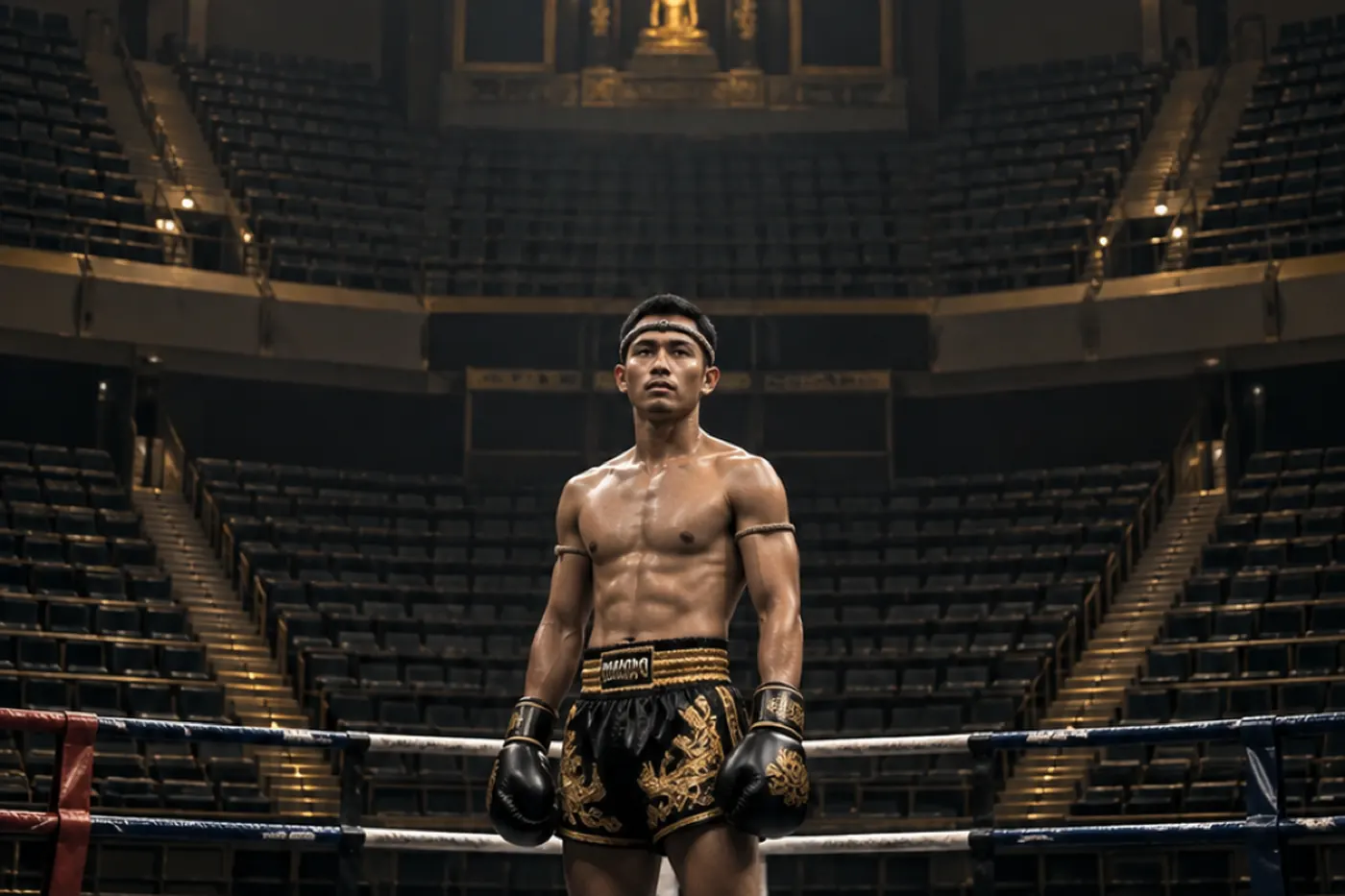
A million baht at the gate, thirty thousand in the ring
A Thai stadium can take ฿1,000,000 in gate receipts and pay its main event fighter ฿30,000. Children start at seven, for ฿300 a fight. The economics of a national sport.
฿4,298 a year: how Thailand covered everyone
Thailand provides healthcare to 47.5 million people for about ฿4,300 per person per year. It achieved universal coverage in 2002, at middle income, and the link between poverty and infant mortality disappeared.
Six hundred baht a month
Thailand's state old age allowance is ฿600 a month at 60, rising to ฿1,000 at 90. That's ฿20 a day, less than one plate of street food.
It was never about hair
In March 2025 Thailand's Supreme Administrative Court revoked the 1975 ministerial regulation on student hairstyles, calling it an excessive violation of rights over one's own body. It took a decade — and it left no national rule in its place.
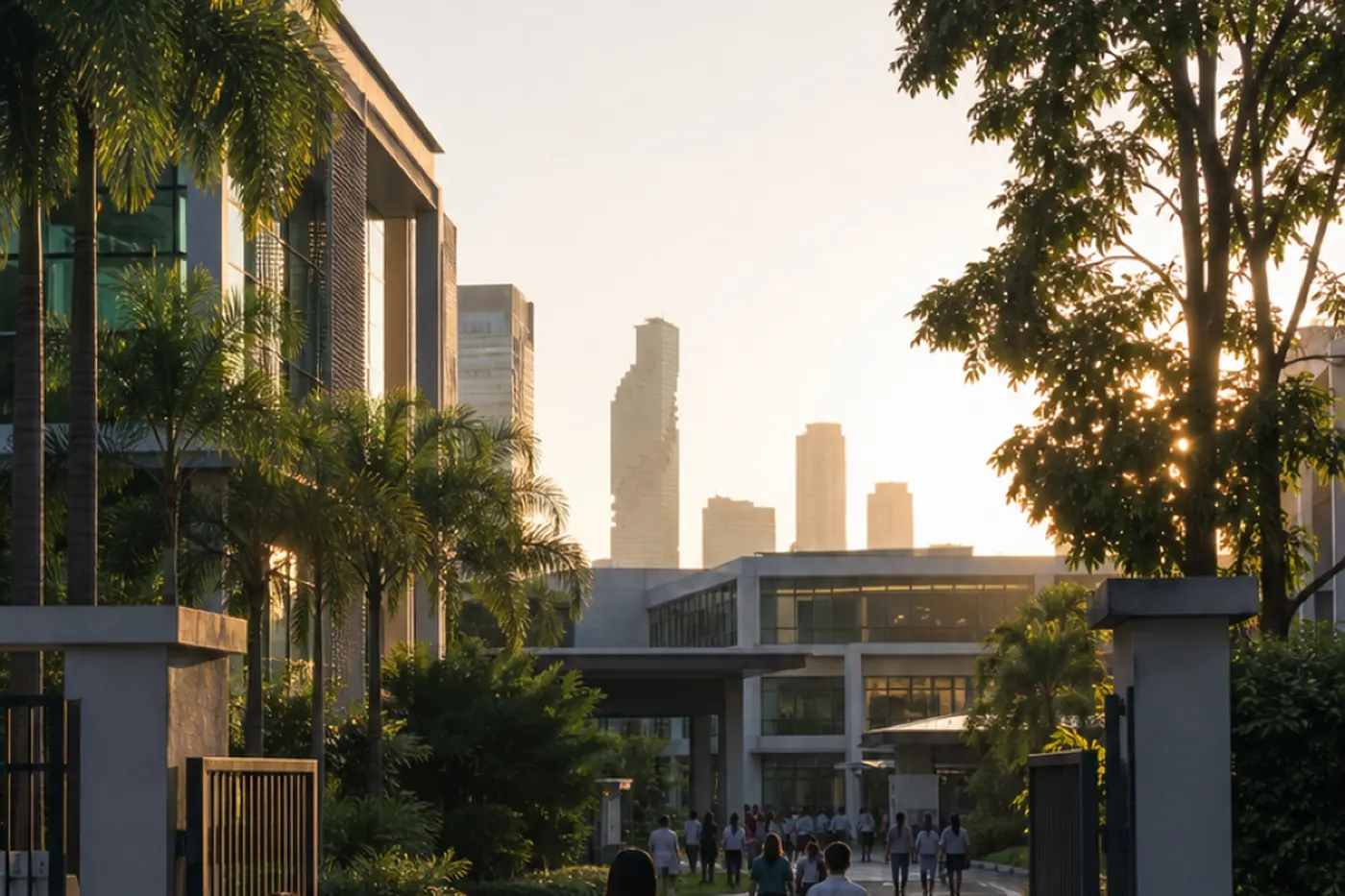
฿95 billion buying out
Thailand's international school market grew from ฿85bn to ฿95bn in a year — in an economy growing at 1.8–1.9%, with a fertility rate of 0.86 for 2025. Fewer children, far more money.
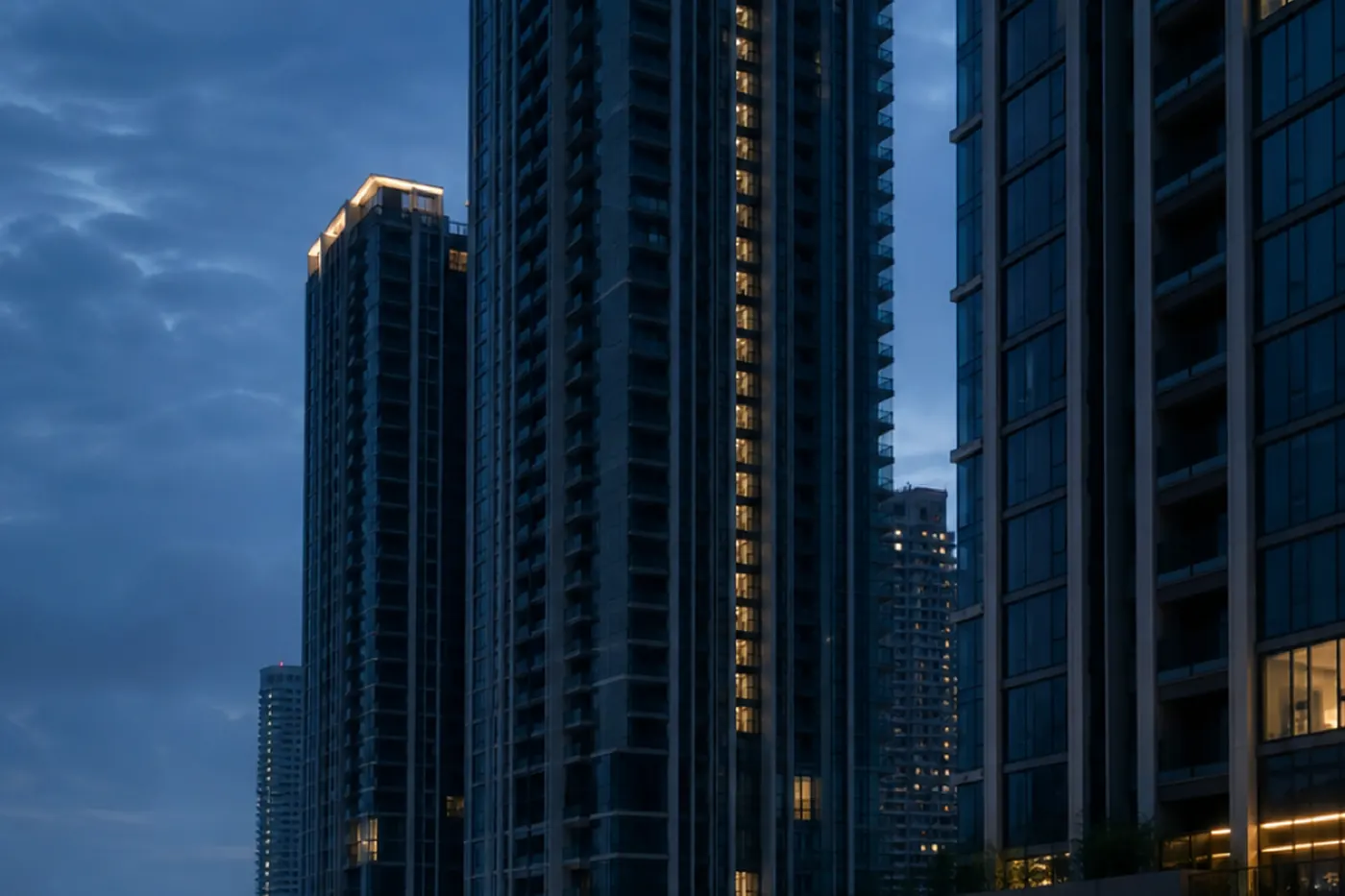
Two housing crises, opposite directions
Bangkok has 60,000 empty condominiums. Thailand also has a programme targeting a million households who lack secure housing, and it's one of the better ideas anyone has had about slums.
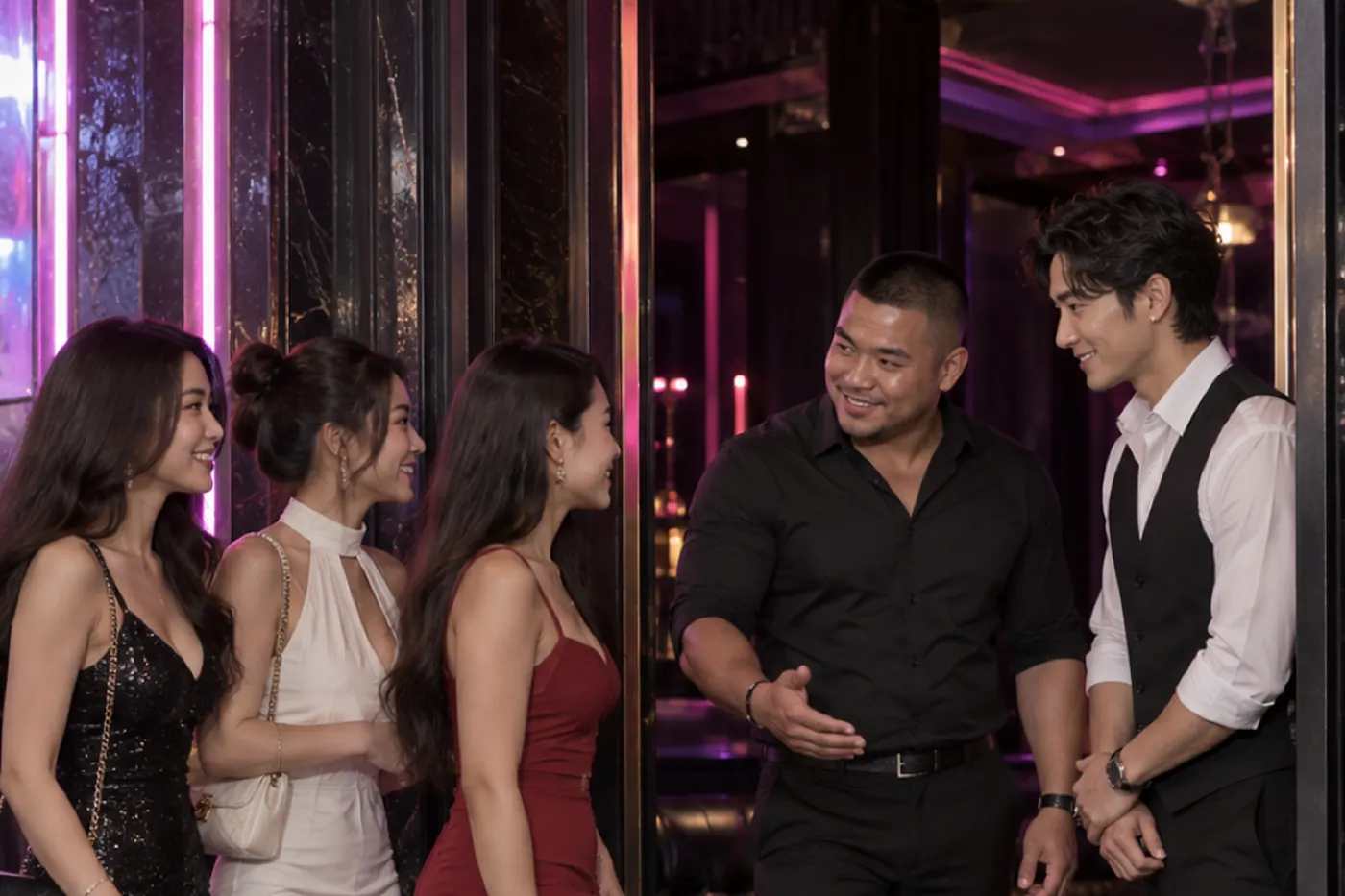
Commission-only, and the product is attention
Thailand's host bar sector runs on drink commission — a reported ฿220 to ฿400 a drink, no base salary, the house takes a cut. It serves Thai women, which is why no English-language source covers it.
Thailand skipped credit cards
PromptPay handled 2.38 billion transactions in May 2026 — a bit over one per head per day. Thailand went from cash to QR and largely skipped card infrastructure entirely.
LINE isn't a messaging app here
84 of every 100 Thai internet users are on LINE. It's messaging, work, government, customer service and payment, and its design suits kreng jai almost perfectly.
Let it end with our generation
Thai university initiation runs on a system called SOTUS — Seniority, Order, Tradition, Unity, Spirit. Students have spent years dismantling it, one faculty at a time.
The tenth-largest car producer on earth
Thailand built 1.47 million vehicles in 2024 against capacity above two million, and exported ฿688 billion worth in 2023 — still the tenth-largest producer in the world, and nobody thinks of it as a manufacturing country.
The calendar everyone checks
Thai auspicious-day calendars are published by newspapers, 7-Eleven and listed property developers. Belief here works as a scheduling system, and it moves real money.
Thailand's parallel economy
The state old age allowance starts at ฿600 a month and reaches ฿1,000 only at ninety. In every gap the formal system leaves, Thailand has built something else, and it runs on the fact that you have to see these people again.
The one crop young people come back for
Northern Thailand grows over 70% of the country's coffee, and it's the one agricultural sector where young Thais are returning to the land rather than leaving it.
The country that outsourced its public space
Thailand pays its bills at 7-Eleven, eats from two privately owned markets, spends weekends in shopping malls and receives government messages on a Japanese app. And it works.
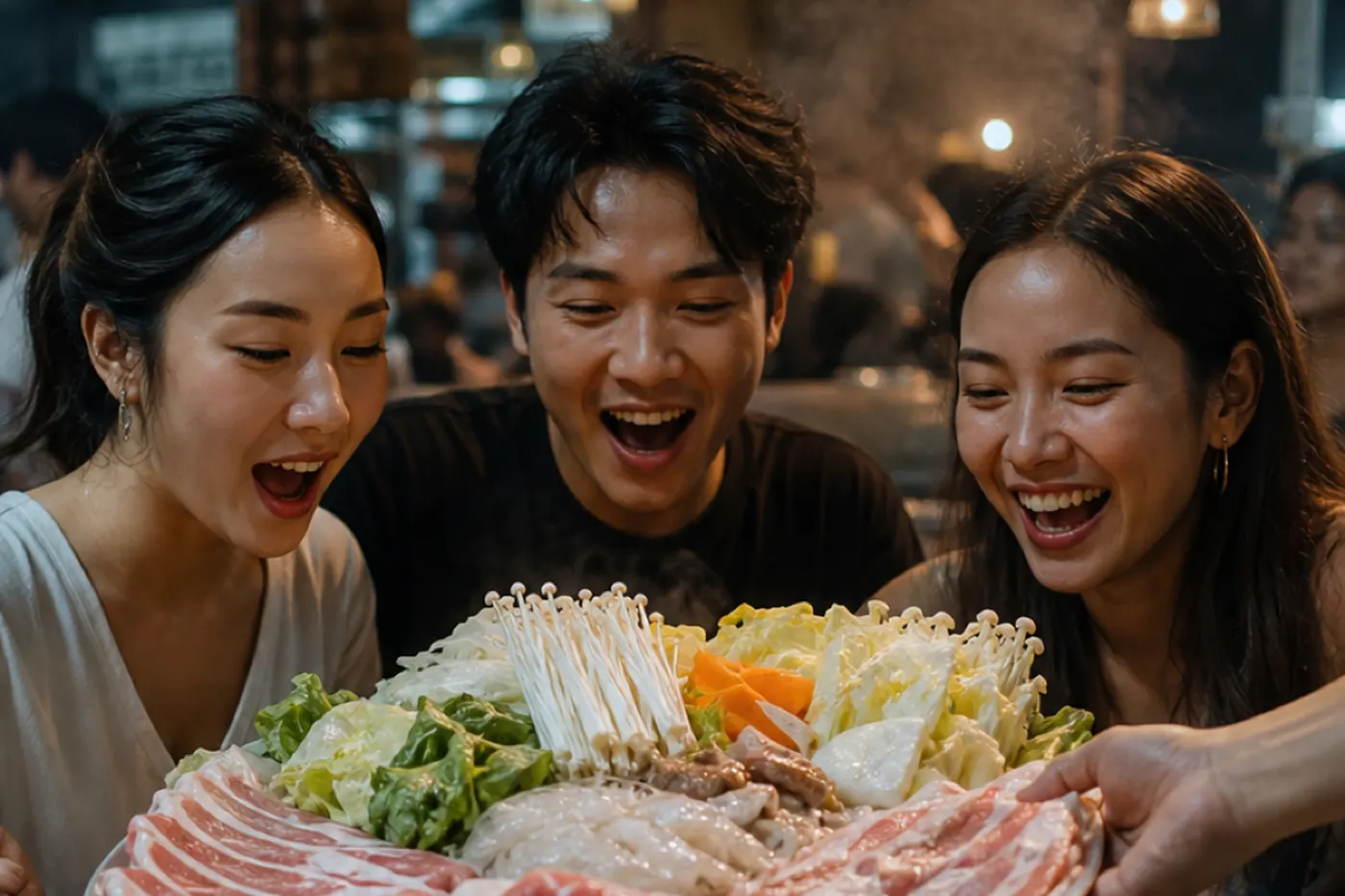
You are not buying dinner
How does a ฿299 all-you-can-eat buffet make money? It doesn't. The buffet is admission. The margin is in what you drink, and they charge you for the ice.
The toll road to university
TCAS was built to make Thai university admission fairer. For the 2027 intake the state has stopped charging for its own exams. The toll that was always the larger one remains.
A capital with a country attached
One in four Thais lives in the Bangkok region. The city is more than ten times the size of the second city and around 29% of GDP. Almost everything else follows from that.
Transfer first
Thailand buys from social media posts more than almost anywhere on earth. Product fraud is 77.5% of all cybercrime complaints. Both facts have the same cause.
Bound to maintain
Thai law says children are bound to maintain their parents. The median support is ฿22,250 a year. Add the state pension and a Thai old age runs on about ฿80 a day.
Eight hundred thousand baht for a shirt
Bangkok's invisible property market: an orange motorcycle taxi vest is a licence that can't legally be sold and changes hands for up to ฿800,000. It's a taxi medallion nobody calls one.
The part the state couldn't copy
Thailand built a legal three-digit lottery to compete with the illegal one. It was written off in its first year. It now sells six million tickets a draw — because the state fixed the seller, not the product.
One set of doctors
Thailand's universal healthcare is world-class. Its medical tourism industry is worth billions. Both run on the same doctors, and only 72% of the public quota is filled.
Four hundred days
Thai law gives you six days' annual leave and up to 400 days' severance. It protects your job far better than your time, because it was written for people who stay.
Nothing lasts long enough to build
Thailand has had 20 constitutions since 1932. The average lifespan of the previous 19 was four years and three months — shorter than a mortgage fix.
An appointment, not a place
ตลาดนัด means "appointment market." Thai markets aren't locations, they're scheduled convergences, and that's why retail still works in towns too small for a shop.
The seven dangerous days
Thailand publishes a daily death count during Songkran. In 2026 it reached 242 in seven days. The water fight is what visitors see; the migration is what it is.
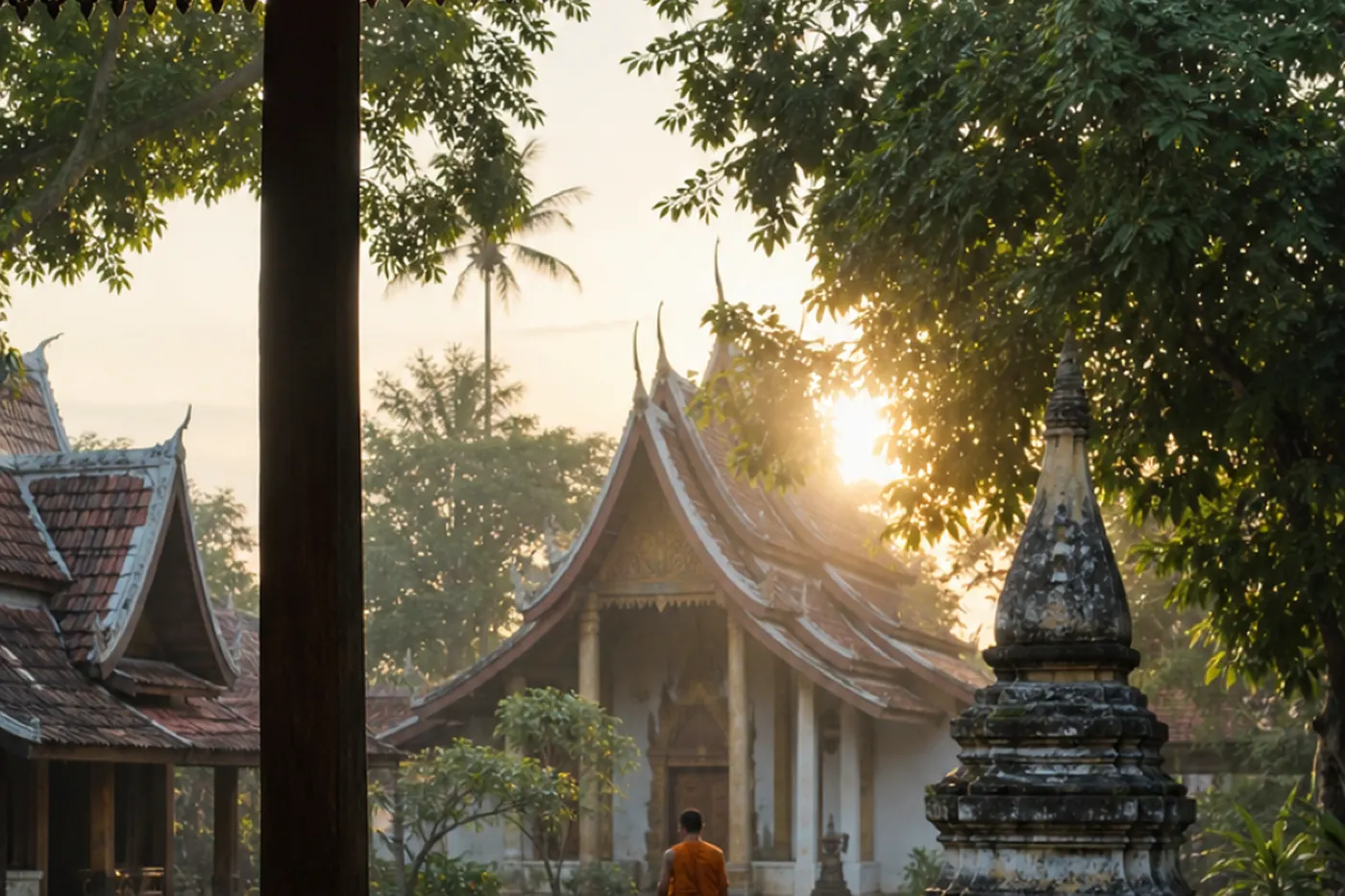
What the temple used to do
Thai temples held around ฿410 billion in bank deposits across 39,000 accounts in early 2025, and take an estimated ฿120 billion a year in donations. Fewer than half file financial reports on time.
Money you can wear
Thai gold is 96.5% pure, weighed in baht, and priced identically in every shop in the country — repriced 38 times in a single day this June. That's not jewellery. It's currency.
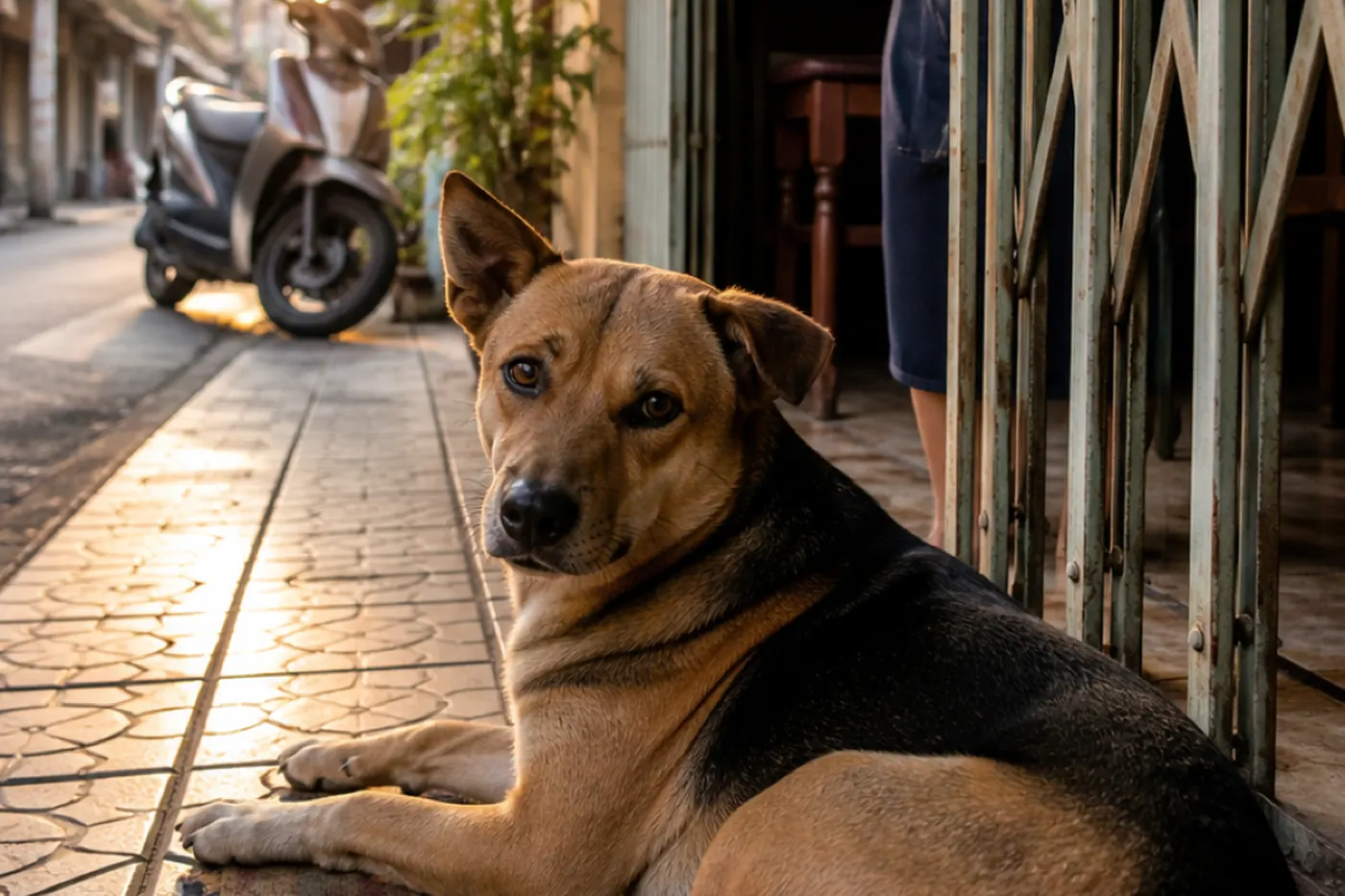
Nobody's dog
Thailand's soi dogs aren't strays. They belong to the street — fed by several households, owned by none. And the temple is still the only institution that takes them in.
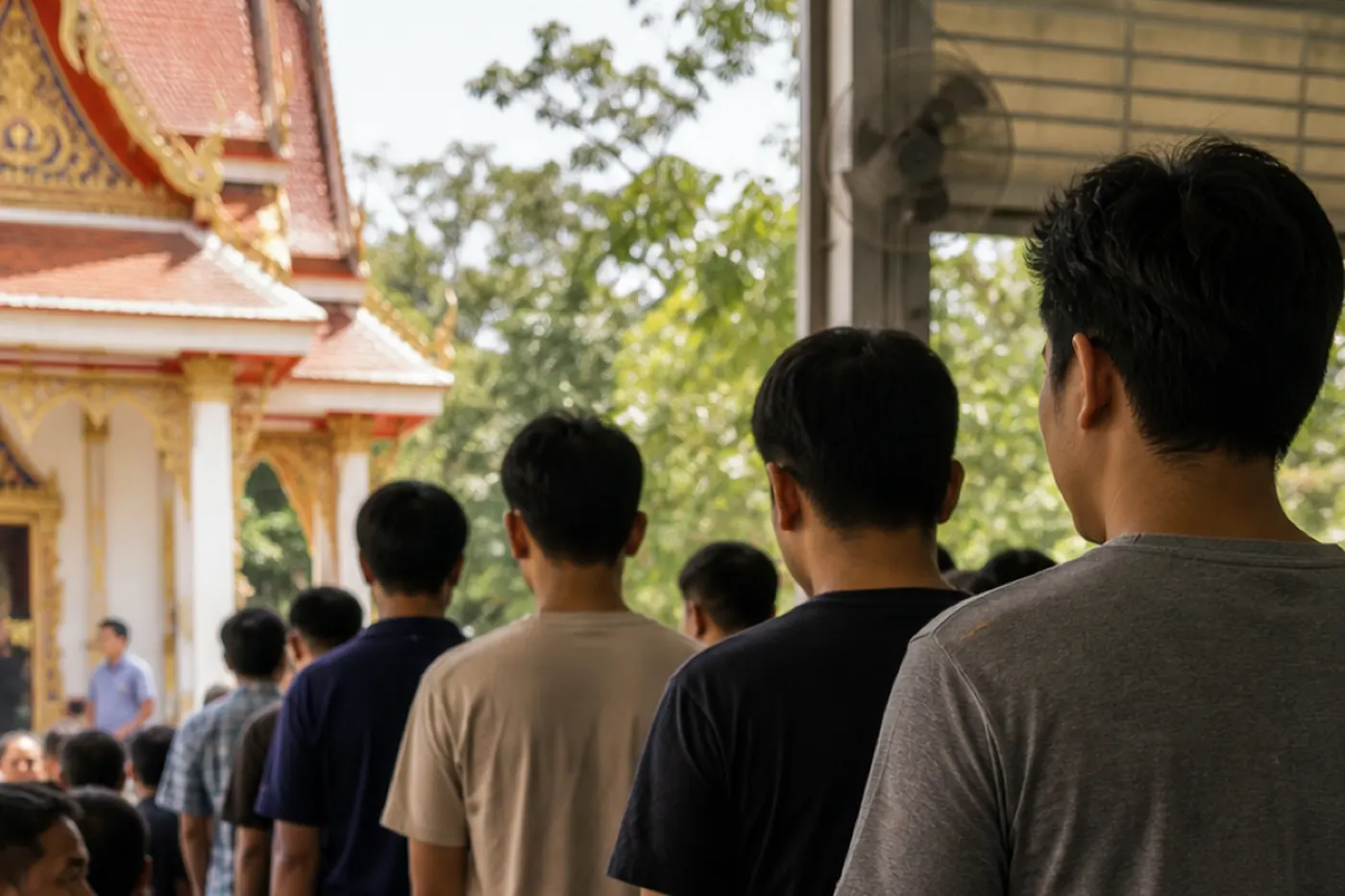
Red or black
Thailand allocates two years of a young man's life by drawing a card from a jar. The lottery is fair. Who is standing in the room is not.
Partners
Thai delivery riders are legally "partners," not employees. In May 2026, a hundred of them protested against being brought into the social security system. They had reasons.
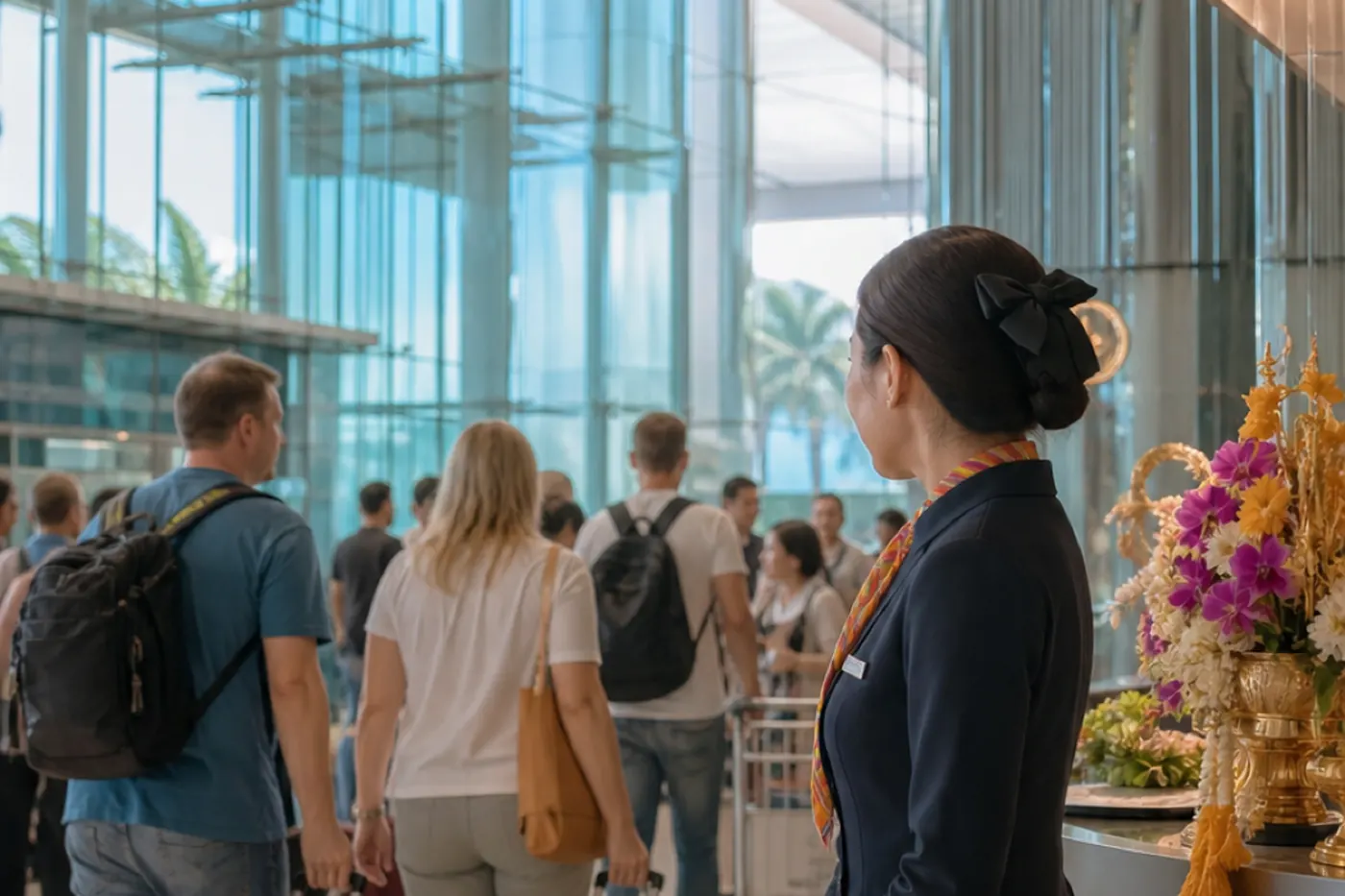
The tourists nobody counts
Foreign arrivals fell 7.23% in 2025. Total tourism revenue fell 1.26%. The difference is 202 million domestic trips that English coverage of Thailand doesn't count.
Outside is not a workplace
Thailand's heat index hit 59.5°C in 2025. Its occupational heat standard dates from 1976 and researchers say outdoor work still isn't properly identified as a hazard.
Replaced by boxing
Channel 7 cut Friday night drama for live combat sports and prime-time lakorn down to one hour. In the same years, Thai series became a global export. Both are true.
The wrong way round
Across labour law, heat regulation and motor insurance, Thai protection reaches the least exposed. The systems that work are universal. The ones that fail are categorical.
Feed to till
One Thai group is among the world's largest feed and poultry producers and runs 15,945 7-Elevens. The chicken and the counter it's sold on are in the same accounts.
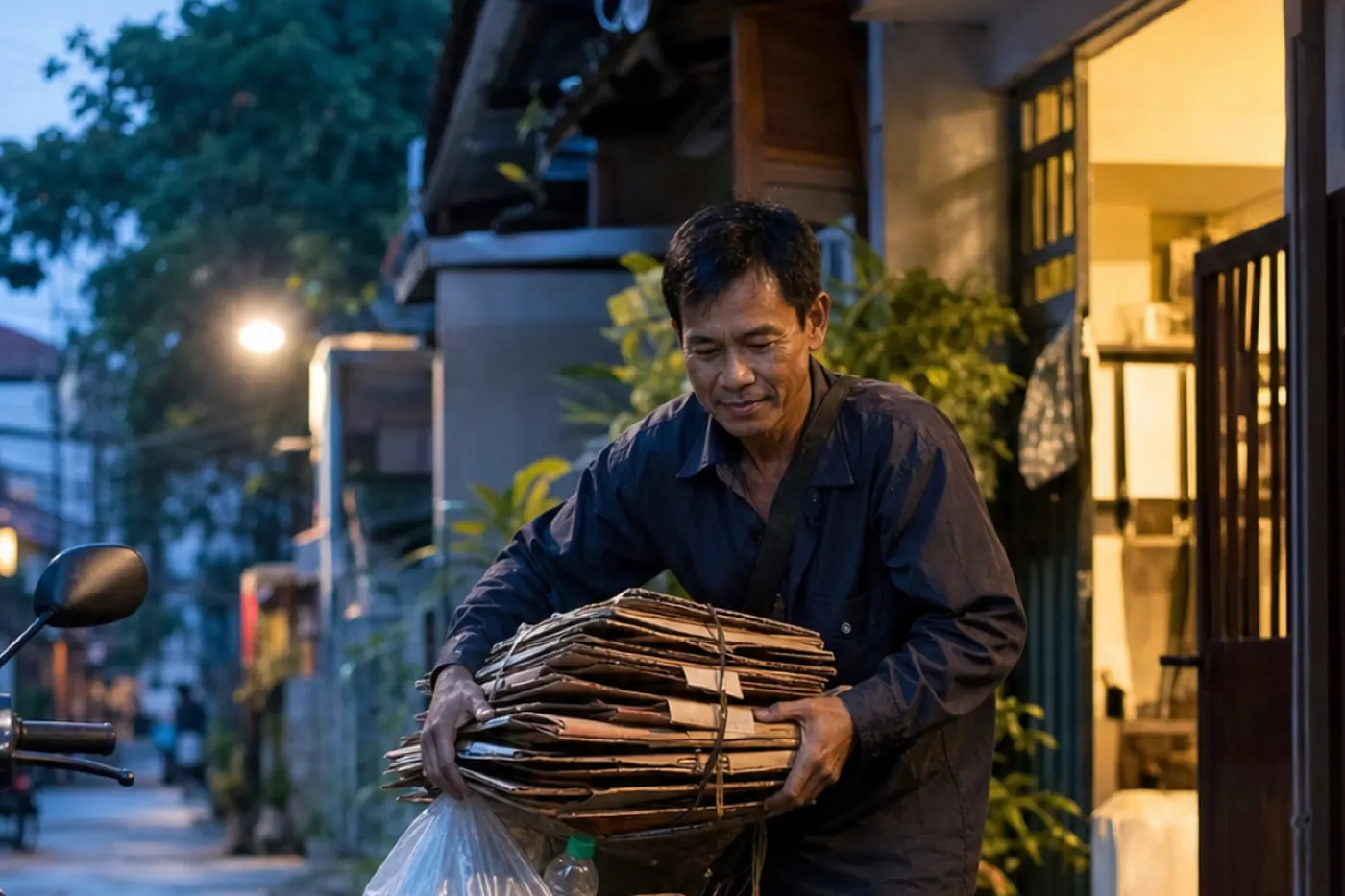
Paid by weight
Thailand's recycling system is an estimated 1.5 million people on motorbikes, paid by weight, employed by nobody. Across Asia they recover over 95% of recycled plastic.
The first toll
Thailand's school uniform subsidy is about ฿400 per primary pupil. A basic uniform costs ฿1,500–3,000. Attendance is compulsory. So is the uniform.
Marriage of the Poor
Thailand's most-streamed music artist is a mor lam singer from Yasothon who out-viewed Blackpink. English coverage of Thai music has never mentioned him.
Clear blue water
Thai villagers named it before scientists explained it. When the Mekong runs clear, it is empty. Fish biomass is projected to fall 40–80% by 2040.
Fewer parts
Thailand's auto sector is around 11% of GDP and 690,000 direct jobs, built on combustion engines. An EV needs far fewer parts — and on one bank's analysis, over 100,000 parts jobs are exposed.
Cheaper than mending
Thailand fixed everything for decades because skilled hands were cheap and objects were expensive. Both halves of that ratio have moved. Why fix a ฿300 fan when a new one is ฿250?
When the market stopped watching
Thailand went from near-zero fishing labour registration to systematic inspection in five years. It took an EU trade warning. Parliament has now passed the rollback.
Borrowing to eat
Thai household debt is ฿16.41 trillion, 85.9% of GDP. The composition has shifted from assets to daily expenses, and the official number can't see the rest.
Nobody to borrow from
Thailand feeds its schoolchildren on about ฿24 a day. The cheapest cooked meal in the country is ฿50. That gap is why the theft was so hard to see.
Somebody photographed the QR code
Thailand has upwards of 44,000 small red boxes bolted to lampposts. Inside each is proof a police officer stood there. Then they added a QR code.
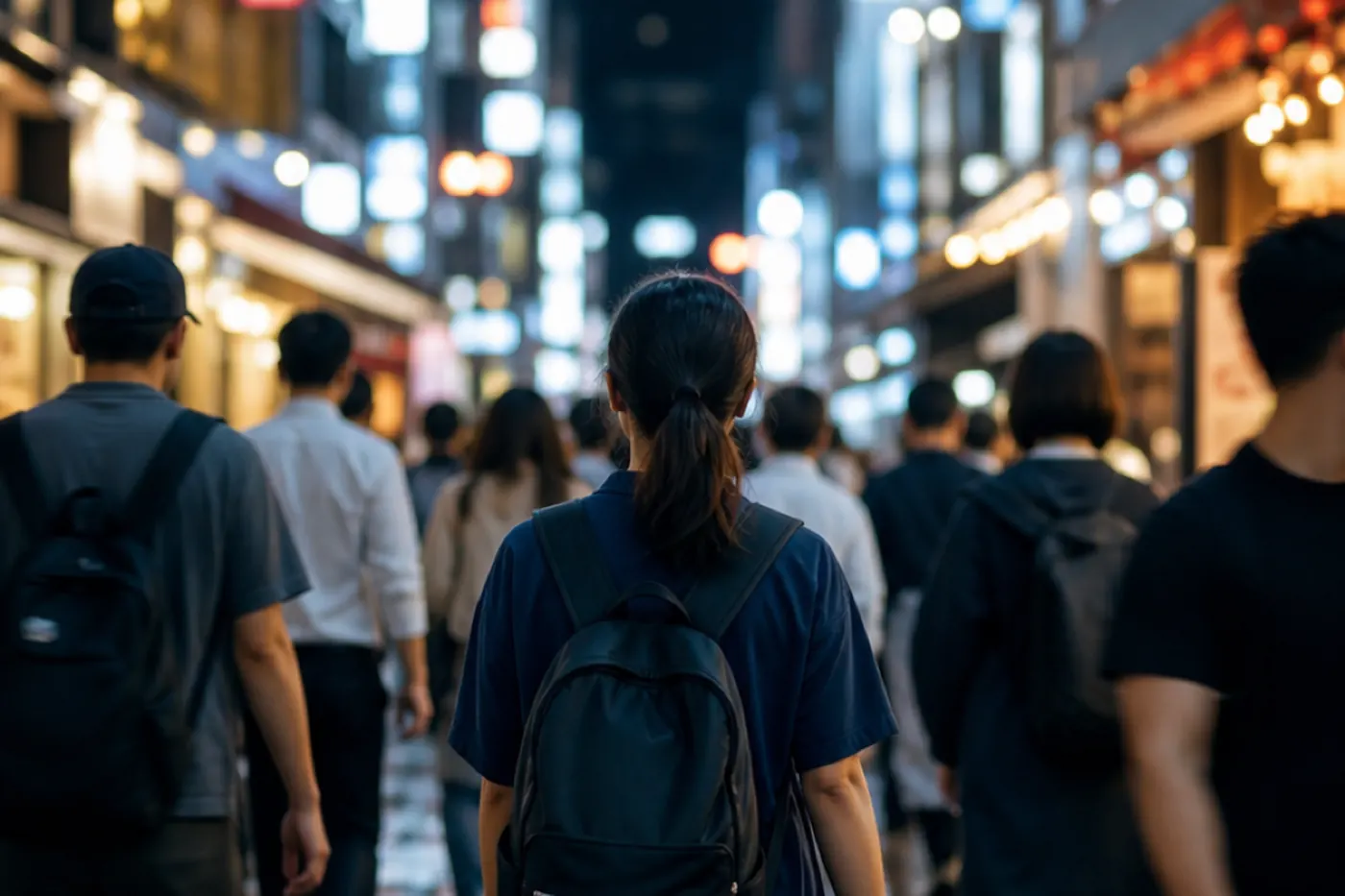
Little ghosts
132,696 Thais work illegally in South Korea. They are about a third of every undocumented person in the country, and they call themselves ghosts.
Weighed, not counted
A Thai school invented a bank where the deposit is rubbish. It's now in 7,700 communities, handles 6% of national waste, and some of them pay out a funeral benefit.
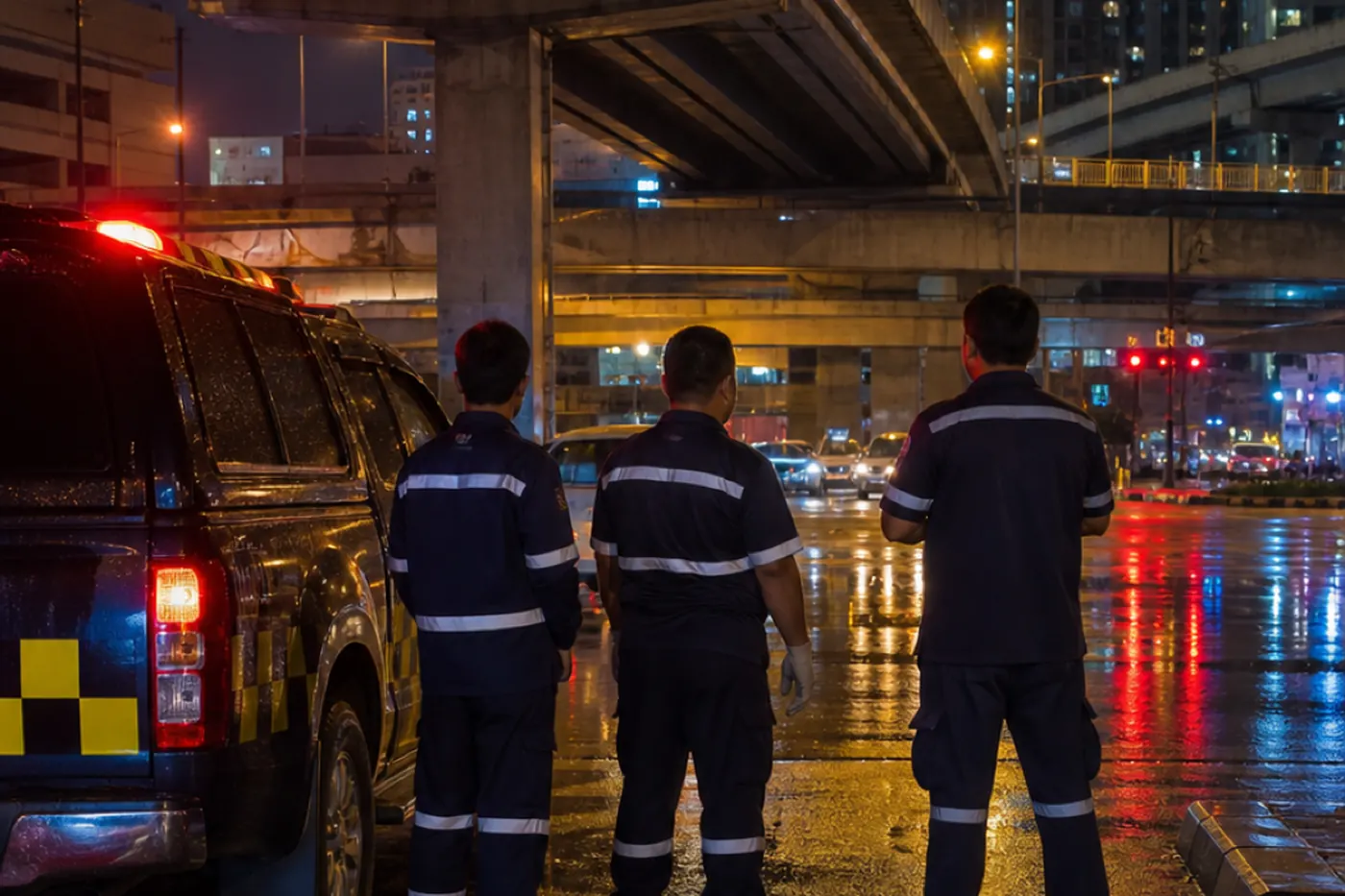
Shared gratitude
Two donation-funded foundations run much of Bangkok's emergency response, splitting the city on a twelve-hour rota. Unpaid volunteers deliver basic life support in around 65% of cases.
A price on a fish
Thailand fought an invasive species by buying it — ฿15 a kilo to the fisherman, ฿20 to the state. Catches were enormous. What happens when the buying pauses is less clear than the story suggests.
What four hundred days is worth
859 workers were dismissed without severance. ฿244 million owed. Executives were jailed. Two years later the court awarded ฿9,076.92 each.
Announced to the satang
Kathin is offered in a one-month window, once a year, once per temple. One ceremony was reported at over ฿90 million. Totals are announced; accounts are not.
The seating plan is the ledger
A table at a Thai Chinese banquet costs about ฿1,700 as dinner. As a donation it has been reported at ฿3 million. The food is identical.
Nobody is turned away
Around half of Thais surveyed said they turn to มูเตลู when money runs short. Lower earners go more often than higher ones. It is the only risk product in the country with no eligibility criteria at all.
The gun was legal
Thailand has an estimated 10.34 million civilian firearms on a 2017 modelled count, and about 4 million are unregistered. The number that explains more is the 6.22 million that are.
It cannot be closed
Rama II Road has been under construction for 56 years. The reason is not incompetence — 259,277 vehicles a day use the only main route to the South, so it has to be rebuilt around itself.
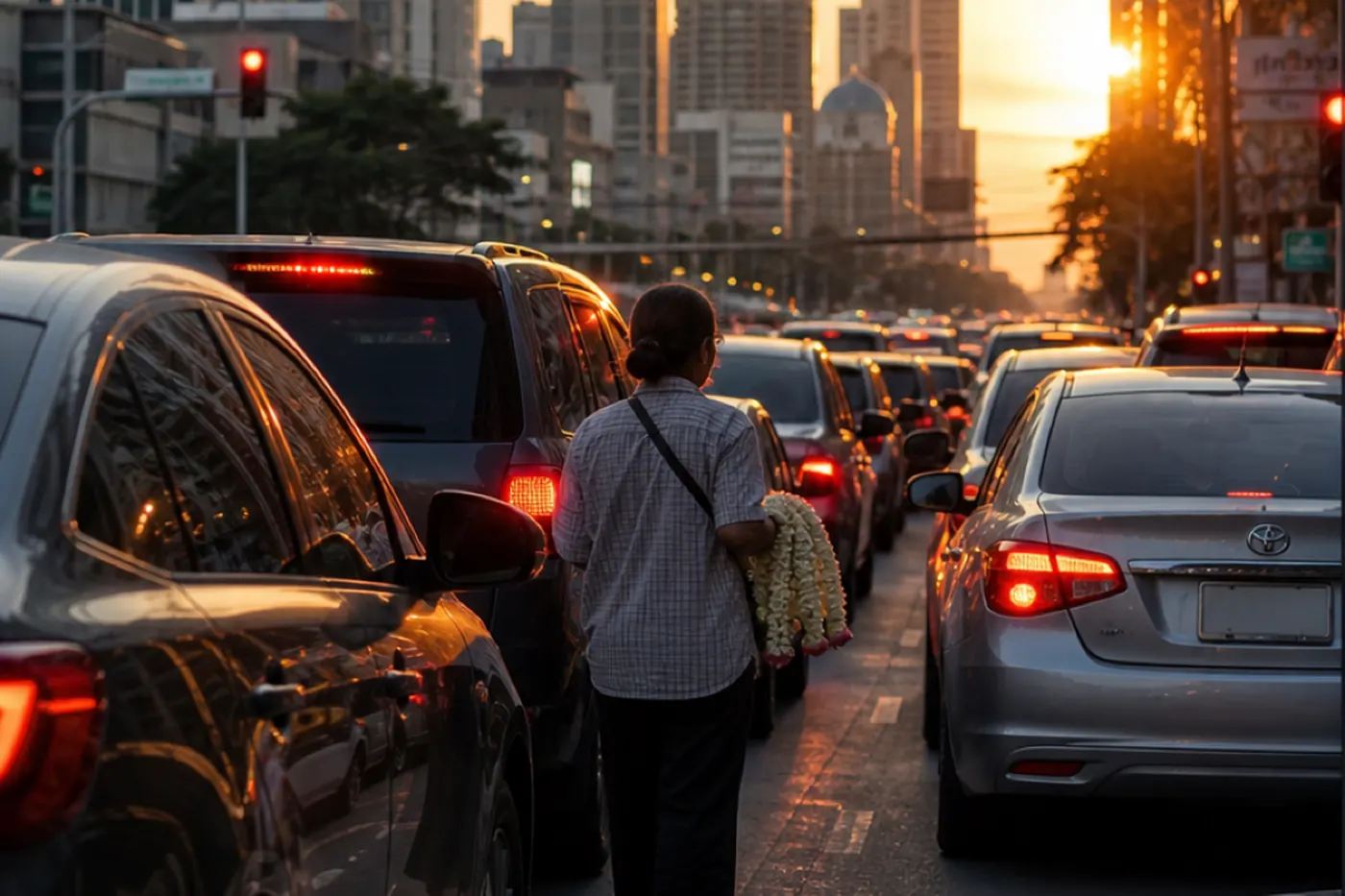
No lawful version
A garland that sells for ฿20 pays ฿3 to whoever strung it and ฿8 to whoever stands in the traffic. And unlike every other informal Thai trade, this one has no route to being legal at all.
The client is the fandom
Thai fan clubs buy station advertising, run group orders, and raised over ฿3 million in two days. It is a distributed commercial organisation staffed entirely by volunteers, and the Thai word for it is a diminutive.
The loud ones are not the problem
Thailand licenses motorcycles at 15, and 58% of children under 15 already ride — taught at home, youngest at seven. The subculture everyone complains about is the smallest part of it.
Nobody brought a ticket machine
Thai EV drivers have started fighting at charging stations, and the internet named them for it. The country that runs numbered-ticket queues in every bank built 4,643 charging sites without one.
No need to leave the device
Thailand has a form of pawning where you keep the phone and pledge your Apple ID instead. Reported rates run 20–25% a month against a statutory ceiling of 15% a year.
The standard they set for themselves
Thailand's occupational safety Act does not apply to government at all. The same section requires state bodies to set equivalent standards themselves — which raises a different question about Bangkok's 2022 prison drain-clearing programme.
You can see the gearbox
เซียงกง sells used engines with no service history, no grading and no published price. By this site's own theory it should be a market that harms people. It doesn't, and the reason changes the theory.
Have parents when you're ready
Thailand told people to have children when they were ready. In 2025 there were 416,574 registered births, the fewest in 75 years, and a fertility rate of 0.86. The campaign worked.
Conduct is not risk
Thailand's prisons hold 301,020 people in space for 248,330, and decide who leaves early using a grade that measures behaviour inside. A well-behaved prisoner and a low-risk one are not the same person.
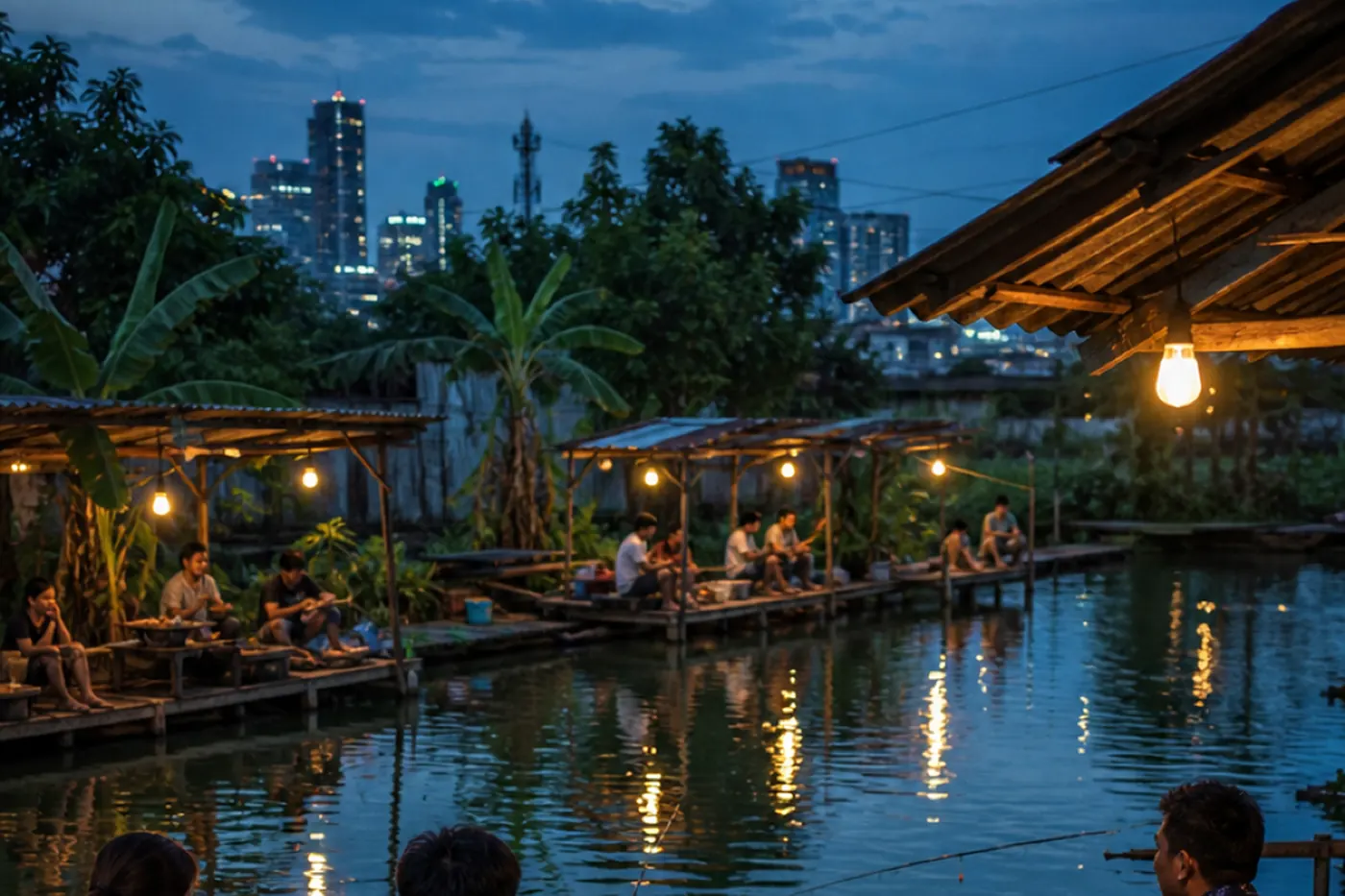
The prawn is the random number
A prawn pond is a lawful leisure business until somebody weighs the prawn and bets on whether the number is odd or even. The fishing was never the point.
Nobody has sat it for twenty years
เอ็นทรานซ์ was formally abolished in 2006. Thais still say เด็กเอ็นท์, because the thing the word actually named — competition for a scarce seat — outlived the exam by twenty years. It is ending now, and not for a good reason.
Somebody has to be in the chair
Bangkok bars do take bookings. They just require a body in the chair to hold one, and nobody has finished work by six. So a market appeared that sells presence — ฿500 on a weekday, ฿700 at the weekend, at the 2021 rates two news reports recorded.
The venue kept the commission
Thailand's entertain-work economy moved out of venues and onto private arrangement. The venues still take a percentage of the table. In July 2026 the one clause that would have made them employers is what stopped the bill.
The channel is the collateral
ปักตะกร้า is sold as the zero-baht business. The entry costs nothing. The exposure is a following built over years, which a platform classifier can delete without notice — and Thai regulators are now reaching the person who made the claim.
The ballot proves nothing
Thailand's 2024 Senate was chosen by 46,000 applicants voting for each other. The design cannot distinguish coordination from association — which is why establishing what happened has taken 700 witnesses and 75,722 pages, and why the Commission has now referred 77 people to the Supreme Court.
The person holding the bag
Thailand's carry trade runs on reputation and a published flight schedule. Consular officials warn that whoever holds the bag is treated as responsible for what is in it — and that saying you did not know is not a defence you get for free.
The children pay, the parents go
Thailand's senior tour market is the right business for the country's demography. It is also the only tourism segment where the compulsory passenger insurance commonly pays half — and the buyer is usually not the passenger.
The lawful range
Thailand's regulator defines a nominee-risk company as one with foreign ownership between 0.01% and 49.99% — which is the entire range the law permits. The screening criterion is compliance, because the share register cannot show who controls anything.
The tax worked on the bottle
Thailand's sugar tax reached full rate in 2025 and it worked — but by changing what manufacturers put in bottles, not what anyone drinks. Meanwhile a 1984 statute guarantees the revenue of the world's fourth-largest sugar exporter.
The standard is for the next buyer
Thailand's lucky-number market has a written public standard and published prices — everything the archive says makes a market safe. It is not safe. The standard does not verify the product. It guarantees resale.
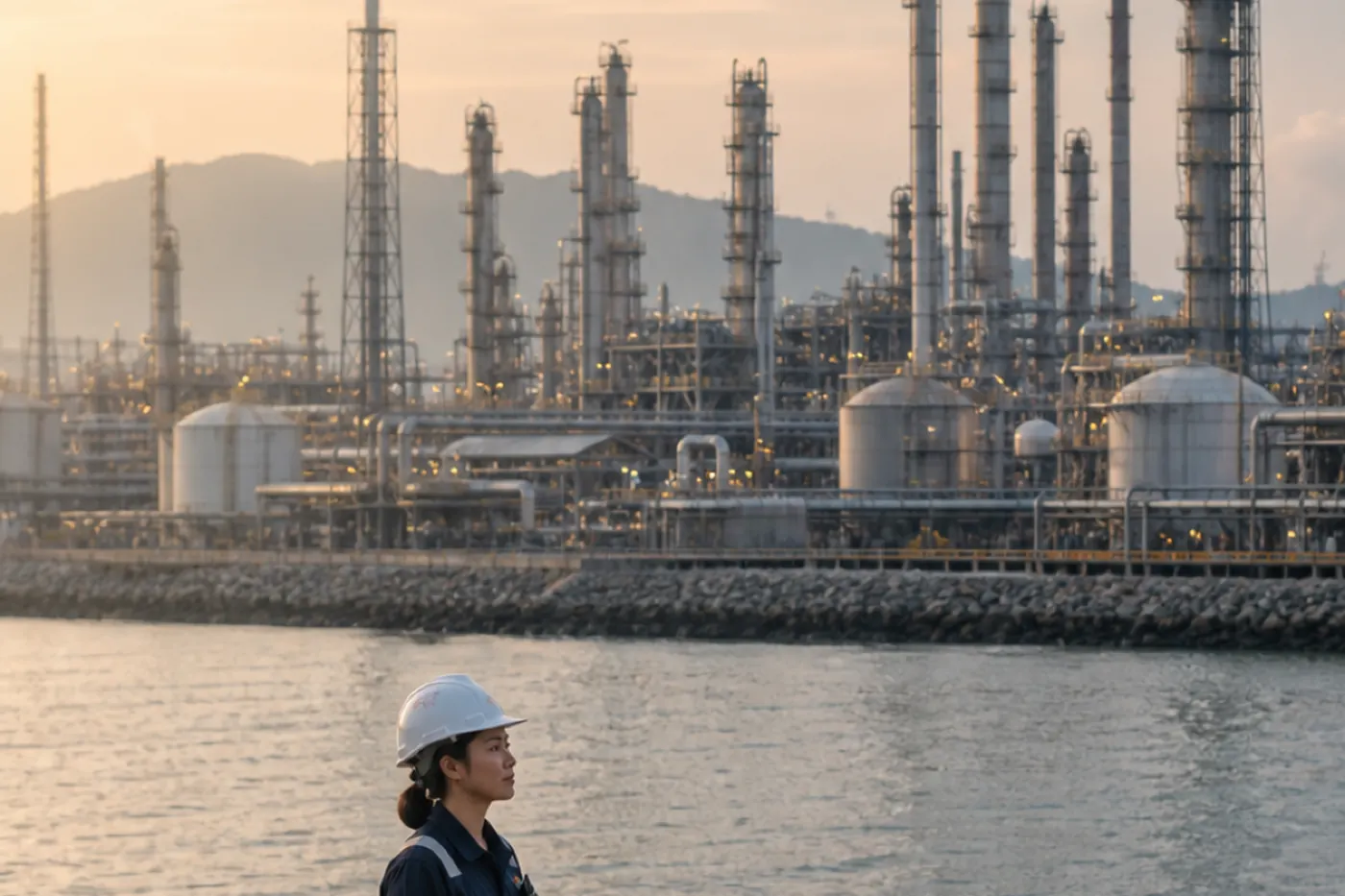
Produced, not received
Rayong's ฿1,003,497 per head is 16.5 times Narathiwat's. But GPP per capita divides production by registered population — and in Thailand those two describe different people.
Every province already has an election
Bangkok is not the only province that elects its leader — every province elects a PAO chief executive. Bangkok is the only one without a second, appointed administration sitting on top.
Manufacturing a receipt
The secret ballot was invented to make vote-buying impossible — you cannot pay for something you cannot verify. Which is why the practice's real work is not the payment. It is producing proof.
None of them is about the building
Bangkok licenses entertainment venues in three zones. Four conditions let a bar be classified as a restaurant instead and open anywhere. Not one of the four concerns the building.
The fine has a ceiling and the damage does not
Road damage rises with roughly the fourth power of axle load. Freight revenue rises linearly. Thailand's penalty for overloading is a flat maximum — which means it binds least on the trucks doing the most damage.
The standard arrived after the money
In 2025, 8,636 Thai cannabis licences expired and 1,339 were renewed. The businesses were capitalised against a regime with no stated duration — and the quality standard they needed arrived three years after their money did.
Nobody built the connections
More than 45% of Bangkok's road length is dead-end soi — 18,355 km of it. That is why one-way restrictions here run by the clock instead of permanently.
The rule is about the road
Thailand mostly does not limit building height. It requires a tall building to sit on a road at least 10 metres wide that connects through to another road — and 45% of Bangkok's road length dead-ends.

Something lasted long enough to build
Thailand beat China in Tianjin to reach a first Olympics. The answer to why the women's game holds the country is twenty years of continuity — a length of run this archive has rarely found anywhere else.
Twenty baht was never the price
Bangkok charges ฿60 a month to collect household waste, ฿20 if you register as separating it. On the city's own figures, fees cover about 7% of the cost.

The card is not the licence
A Thai driving licence costs ฿205. The pages selling one for ฿1,000–6,000 are selling a forgery, and using it is far worse than having no licence at all.

Ownership stops at the fence
Your property ends at your fence. The road outside is under a servitude for every plot, parking on it is not a right, and the law to stop it is complete. Nobody uses it.
It arrived, and it was not enough
Thailand's universal health scheme pays ฿198bn in capitation, and reimburses hospitals about half what the care costs. The budget did not vanish. That is what makes the donation appeals interesting.
Ten per cent, until the thirtieth
A day on Bangkok's Purple or Red line costs ฿40 — ten per cent of the minimum wage — until 30 November. The 60/40 subsidy ends 30 September. The joint fare starts 1 January.
The pole is capital, the light is a bill
Thailand has a standard for how bright a road should be, and no law requiring anyone to light one. The pole is capital; the light is a monthly bill.
One email a week.
The Thailand stuff that's actually useful — visas, money, how things work here, and the things documented at length in Thai that very few sources cover in English.
Free. At least one new piece a week, usually at the weekend — and another midweek when I find something worth sharing. Unsubscribe in one click, which I have made deliberately easy and would rather you used than quietly stopped opening it. I don't sell your address to anyone, ever.