A price on a fish
Thailand fought an invasive species by buying it — ฿15 a kilo to the fisherman, ฿20 to the state. Catches were enormous. What happens when the buying pauses is less clear than the story suggests.
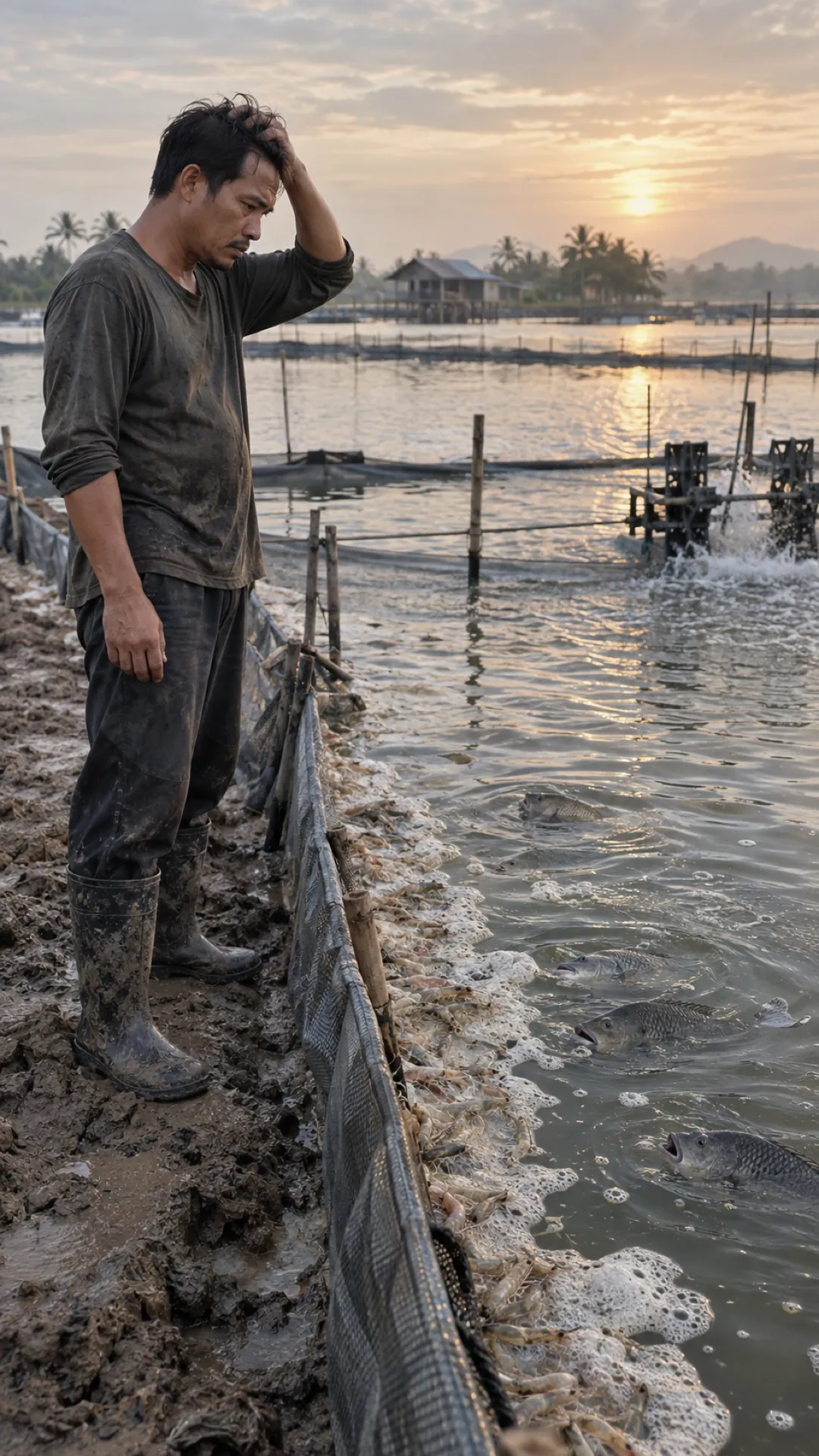
ปลาหมอคางดำ — blackchin tilapia — is not from here.
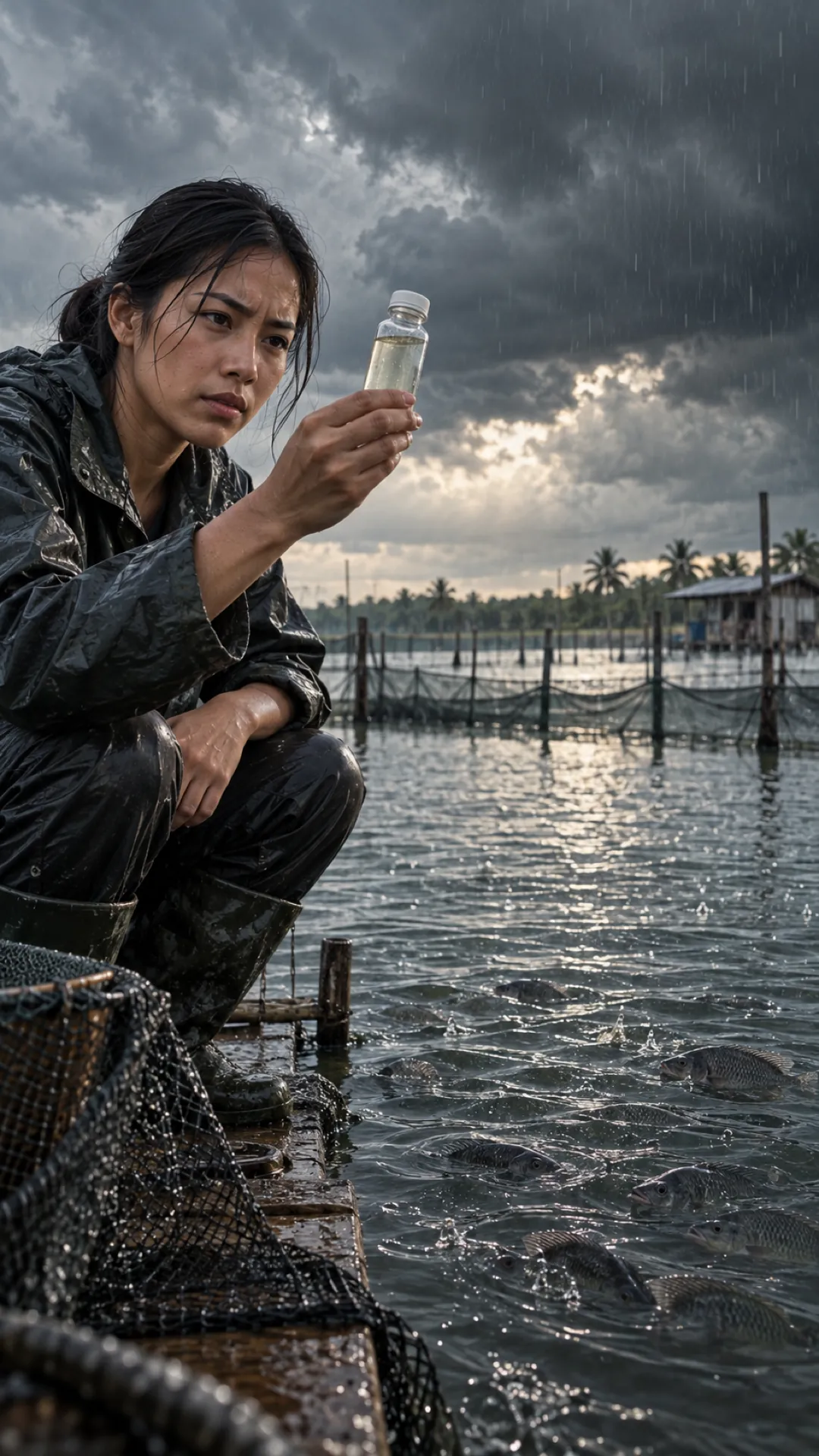
It arrived, it got into the brackish water where Thailand farms shrimp and fish, and it did what an alien predator does in a system with nothing to eat it. The Department of Fisheries has declared 19 provinces affected. Estimates of the economic damage run to at least ฿10 billion.
Thailand’s response was not a cull, a poison or a task force.
Thailand set a price and bought them.
The bounty
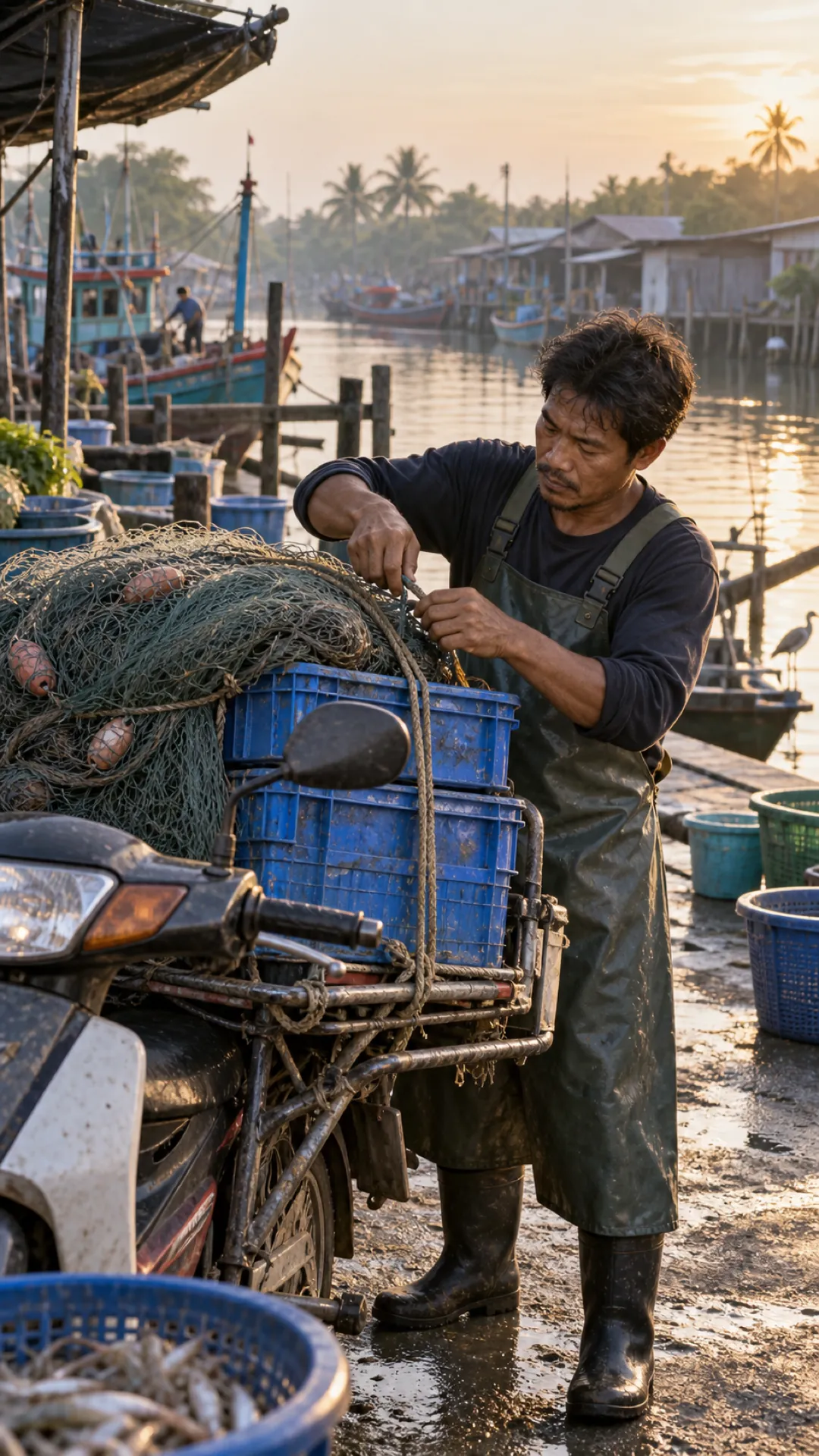
฿15 a kilogram to the fisherman, against a series of funds — and the schemes need separating, because this article previously ran them together.
The state’s own cost is ฿20 a kilogram, of which ฿15 is the price paid; the remainder covers handling and transport to the processors. The Department of Fisheries received a central allocation of about ฿97.8 million for the problem, under two main measures. One purchasing round ran 8 May to 30 September 2025, with buying points across fourteen provinces.
Alongside that there are private buyers, which the article had not distinguished from the state scheme at all: a feed processor announced purchases at ฿15 a kilo for two million kilograms, and another operation has bought at ฿10 a kilo without a volume limit.
Different payers, different prices, different dates. A fisherman’s incentive is the sum of whatever is being offered where they are on a given week, and no single figure describes it.
And it worked.
Reported catches reached 1.3 million kilograms. In one three-week period, 400,000 kilograms. On a single day in one area, over 2,000 kilograms. A fish meal processor in Samut Sakhon opened an unlimited purchase at ฿10 a kilo from late May 2026, targeting a million kilograms, and passed 400,000 within a fortnight. Provincial fisheries purchases in one province alone exceeded 513 tonnes.
Four provinces set up a joint buy, process and add-value operation. The catch is milled into fish meal for animal feed. The invasive species became an input.
This is a genuinely clever piece of policy and it deserves saying so plainly. Faced with an ecological emergency, Thailand converted it into a collection problem with a per-kilo rate, and a collection problem with a per-kilo rate is something this country is exceptionally good at.
Which is the same workforce
Article 91 Paid by weight described Thailand’s recycling: an estimated 1.5 million informal collectors, paid by weight, recovering most of the plastic the country recycles, employed by nobody. Article 104 Weighed, not counted described 7,700 community waste banks doing the same transaction with a posted rate and a passbook.
The tilapia bounty runs on exactly that machinery.
Somebody catches a thing. Somebody weighs it. A posted rate is applied. Cash changes hands. The eradication workforce and the recycling workforce are the same people, with the same equipment, doing the same arithmetic against a different target.
Thailand’s informal collection economy is not just a poverty story. It is a national capability, and this is the first time I have seen it deliberately pointed at something.
Then the buying paused
Here is the finding.
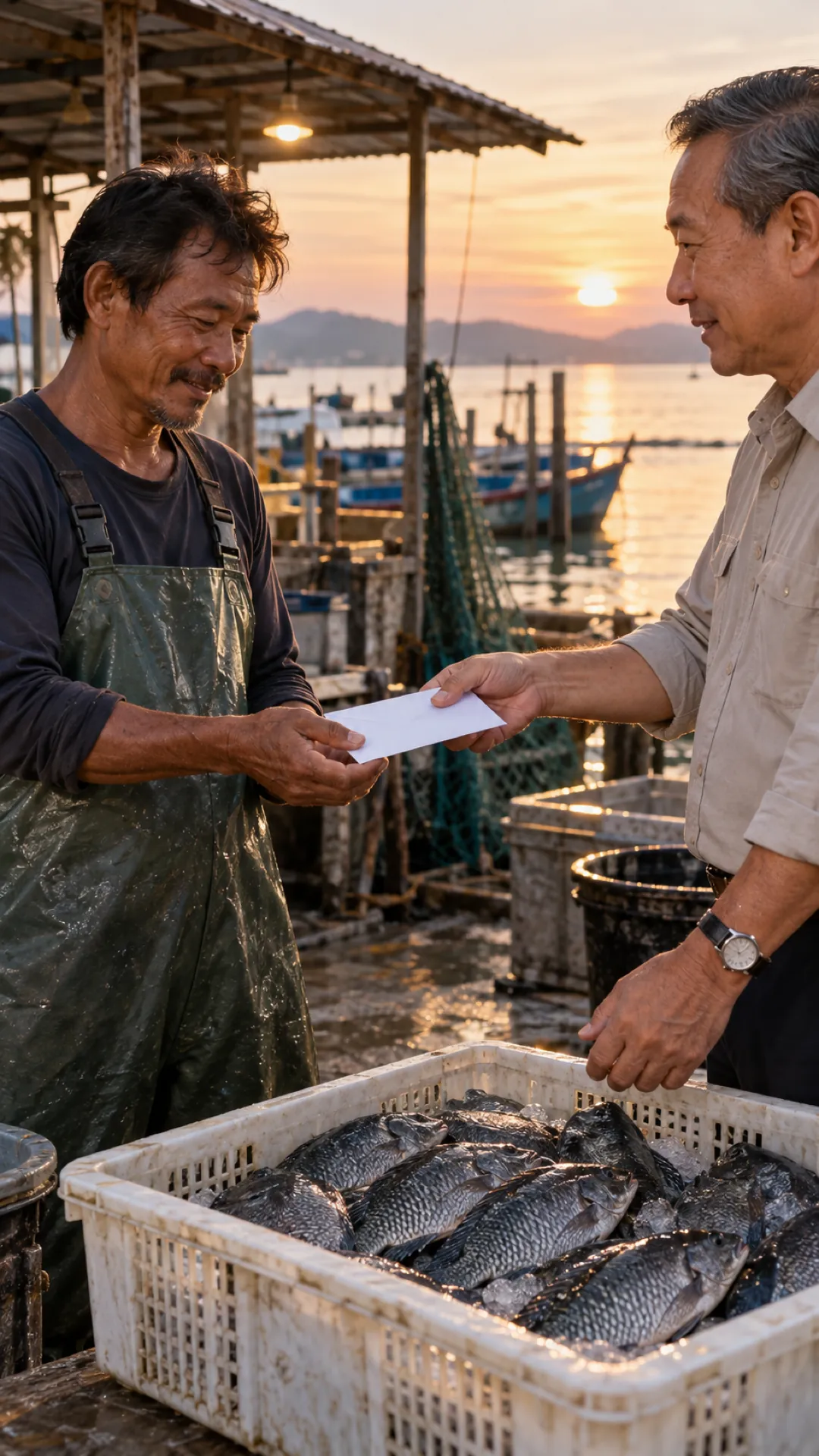
Catching slowed when buying stopped, and reports of the fish spreading followed. That sequence is reported plainly in Thai coverage of the resurgence.
What this article cannot do is tell you the second thing happened because of the first, and an earlier version did exactly that. No study has isolated the effect of a purchasing pause on the population. Fish populations move with season, salinity, rainfall and breeding cycles, and a pause in buying tends to coincide with the end of a budget period rather than falling at random — which is precisely the condition under which a sequence is easiest to mistake for a cause.
And the funding did not simply stop. The Cabinet approved a multi-year action plan running to 2027, purchasing has resumed in later rounds, and private buyers have operated alongside the state throughout. “The money stopped and the fish came back” is a tidier story than the record supports.
What the record does support is narrower and still worth the article. When a price was posted, fishermen caught the fish in very large quantities — 1.3 million kilograms, 513 tonnes in one province. The catch rate is demonstrably responsive to the price. Whether the population is equally responsive, and on what lag, is not established.
So: the effort is a function of a line in a budget. Whether the ecosystem is, this article cannot say.
Activists have called for a clear eradication plan and for outbreak hotspots to be declared disaster zones, which would release emergency funds. The mechanism they are asking for is money, because money is the thing that demonstrably worked.
The part that connects to everything else here
Article 80 Money you can wear argued that Thailand’s informal systems work when there is a product standard and a published price. Gold has both. The underground lottery and social commerce have neither, and they harm people.
The bounty is that mechanism used as environmental policy. A published price per kilo, a standard anyone can verify, it is either the fish or it isn’t, and a nationwide collection network that already existed.
And it exposes the mechanism’s failure mode, which I had not previously identified.
A published price only works while it is honoured.
Thai reporting has documented a gap between announced and actual payment in some purchasing — a rate announced at ฿15 a kilo where ฿12 was paid. I am describing a reported discrepancy in a scheme, not making an allegation against anyone, and I have named nobody.
But consider what that does. A fisherman spends a day catching an invasive fish on the strength of an announced number. If the number at the counter is lower, he does not fish tomorrow — and the eradication stops, not because the policy failed but because the price stopped being believed.
Gold’s national price works because it is the same everywhere, every time, for everyone. That is not decoration. It is the entire load-bearing property, and this is what it looks like when it is missing.
Where I’m stopping
There is active litigation. Over 1,400 aquaculture and small-scale fishers have brought an environmental case concerning the damage to their stock.
That is a matter of public record and I am reporting it as one. I am not naming any party, I am not describing the allegations, and I have no view on them. Under this publication’s standing policy that is where the account ends, and anyone who wants the detail can find the court reporting.
What I will say is structural. A ฿10 billion loss falling on aquaculture farmers, and a state buying the problem back at ฿15 a kilo, are two facts that sit oddly beside one another — and the ฿50 million fund is half a per cent of the estimated damage.
What would actually fix it
Make the price permanent and honour it. Not a fund that runs out. A standing rate, published, paid at the counter, indexed. The evidence that this works is that it already did.
Publish the catch data. Kilograms by province, by month, against the rate paid. The dataset exists inside the purchasing scheme and would tell you exactly what elasticity you’re buying — how many kilos per baht.
And declare the hotspots. Not for the drama, but because the disaster-zone designation is the mechanism that releases the money, and money is the intervention that has demonstrably worked.
Common misconceptions
“An invasive species can’t be controlled once established.” Reported catches reached 1.3 million kilograms while the bounty ran.
“The fish spread because the eradication failed.” Thai reporting attributes the resurgence to fishermen stopping when the government stopped buying.
“It’s a small local problem.” 19 provinces declared affected, with damage estimated at ฿10 billion or more.
“The catch is wasted.” It is milled into fish meal for animal feed. Four provinces set up a joint buy-process-add-value operation.
“A bounty is a crude instrument.” It is a published price against a verifiable standard, applied through a collection network Thailand already had — and it is the only intervention here with demonstrated results.
Common questions
- What is ปลาหมอคางดำ?
- Blackchin tilapia, an invasive fish species that has spread through Thai brackish waterways and damaged aquaculture.
- How widespread is it?
- The Department of Fisheries has declared 19 provinces affected, with damage estimated at ฿10 billion or more.
- How did Thailand respond?
- By buying the fish. ฿15 per kilogram to the fisherman and about ฿20 as the state's total cost, against a central allocation of roughly ฿97.8 million to the Department of Fisheries, with private processors also purchasing.
- Did it work?
- Reported catches reached 1.3 million kilograms, including 400,000 kilograms in one three-week period.
- Why is it spreading again?
- Thai reporting attributes the resurgence to fishermen stopping once the government ceased purchasing at ฿15 per kilogram.
- What happens to the fish caught?
- It is processed into fish meal for animal feed, with several provinces running joint buy-process-add-value operations.